



Red light therapy is emerging as a non-invasive approach for individuals facing fertility challenges. Infertility affects a significant portion of the population, with studies estimating that approximately 7% of men worldwide experience fertility issues, while conditions such as Polycystic Ovary Syndrome (PCOS) impact up to 10% of women.
Conventional fertility treatments can be invasive and costly. Red light therapy (RLT), also known as photobiomodulation (PBM), offers a different approach grounded in cellular science.
RLT delivers specific wavelengths of red and near-infrared light to reproductive tissues. This light energy is absorbed by mitochondria, boosting ATP (cellular energy) production and reducing oxidative stress. By enhancing fundamental cellular function, the therapy shows promise in addressing underlying factors contributing to infertility in both men and women.
Treatment protocols typically involve sessions of 5 to 20 minutes, applied 3 to 5 times per week directly to the pelvic or groin area. Common results are improvements in sperm motility (up to 100% increase in some trials), egg quality markers, and pregnancy rates in women with previous implantation failure. While results vary based on individual factors, consistency is key, with many users noticing changes within 8 to 12 weeks. Red light therapy works best alongside medical guidance, and precautions, such as avoiding overheating the treatment area and using appropriate eye protection, should be followed.
In this think-piece, we will discuss key fertility issues, including low testosterone, erectile dysfunction, male and female fertility, infertility, egg quality, IVF, ovarian cysts, PCOS, embryo transfer, menstrual cramps, endometriosis, and pelvic pain. It further covers what you should know about using RLT for fertility, the mechanism of RLT, choosing the right device, RLT device usage frequency and precautions, whether it can be used at home, the timeframe to show results, and other health conditions.
The goal of this guide is to educate people with fertility concerns on how to use red light therapy correctly, giving them the best possible chance of conceiving.

1. Low Testosterone
Low testosterone (Low T) can hinder fertility by reducing energy and sperm quality, affecting libido. Red light therapy (RLT) uses photobiomodulation (PBM) to stimulate testosterone production.
Red and near-infrared light penetrates the scrotal tissue, targeting the mitochondria in Leydig cells within the testes. This boosts cellular energy (ATP), which is believed to help these cells convert cholesterol more efficiently into testosterone.
Which Device to Use
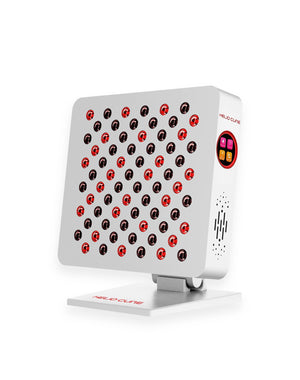
For targeted treatment, a small, flexible LED panel or pad is ideal as it can conform to the shape of the groin area.
They are designed for home use to ensure safety and correct wavelengths.
Wavelength & Intensity Setting
Effective protocols use red light (670 nm) and near-infrared light (808 nm) at 10-40 mW/cm2 intensity. A general guideline for at-home use is 10-15 minutes per session, applied 3-5 times per week.
Before & After Results
The primary outcome users may notice is improved libido, energy, and mood. But results vary among users.
2. Erectile Dysfunction
Erectile dysfunction (ED) is a prevalent condition with persistent inability to achieve or maintain an erection sufficient for satisfactory sexual activity.
Red light therapy supports erectile function through two primary mechanisms. First, the light energy is absorbed by cellular mitochondria, boosting their energy (ATP) production to reduce oxidative stress and inflammation, and to promote tissue repair. Second, specific red light wavelengths can activate light-sensitive molecules that stimulate the targeted release of nitric oxide (NO), a chemical essential for relaxing penile blood vessels and facilitating blood flow for an erection, directly at the site.
Which Device to Use
Using medical-grade light-emitting diode (LED) panels that deliver a combination of red (e.g., 660 nm) and near-infrared (e.g., 830 nm) light to the pelvic area is highly effective.
Wavelength & Intensity Setting
Erectile function can be treated in mice using 660 nm (red) and 830 nm (near-infrared) wavelengths simultaneously for 30 minutes daily over 5 days. It is generally suggested to use it at the maximum intensity of 40 mW/cm2 owing to the sensitivity of the region.
Before & After Results
A 2024 study on nerve injury found that PBM treatment restored erectile function to 90% of normal levels in mice. Human users can expect significant improvements that last for months after a series of consistent treatments.
3. Male Fertility
Male fertility issues are the result of reduced sperm count, motility, or morphology, significantly decreasing the probability of natural conception.
When RLT is used for male fertility issues, specific wavelengths of red and near-infrared (NIR) light are absorbed by mitochondria in sperm cells and Leydig cells in the testes.
This process boosts cellular energy (ATP) production, which powers sperm tail movement for motility. This can lead to an increase in total sperm motility, with certain wavelengths effectively reducing damaging oxidative stress without harming sperm DNA.
Which Device to Use
For targeted treatment, a small, flexible LED panel that can safely fit against the groin area is ideal. The device must be low-heat or "non-thermal" to avoid raising testicular temperature above 35°C (95°F), as excess heat is detrimental to sperm. FDA-cleared devices designed for medical use are recommended.
Wavelength & Intensity Setting
NIR wavelengths between 810-980 nm are most effective at 10-40 mW/cm2 intensity. A 2024 in-vitro study using a 650 nm red laser and 980 nm NIR laser combination for 3 minutes resulted in the most significant motility improvements. For safety and efficacy, home protocols should be conservative, with sessions of 5-10 minutes, 3 times per week, while carefully monitoring for heat.
Before & After Results
One study demonstrated that sperm motility increased from less than 40% to nearly 80% after a combined light treatment. Users note improvements in sperm count and the velocity of sperm movement.
4. Female Fertility
Female infertility refers to the inability to conceive in women. Red light therapy is an emerging, non-invasive supportive treatment showing significant promise, particularly for conditions like age-related decline and unexplained infertility.
The therapy uses red and near-infrared light. This light penetrates tissue and is absorbed by the mitochondria in cells, boosting the production of cellular energy (ATP) and reducing oxidative stress. In the ovaries and uterus, this process enhances cellular function, improves blood flow, and can help improve egg quality and the receptivity of the uterine lining for embryo implantation.
Which Device to Use
Treatment typically involves a clinical-grade low-level laser or high-power LED panel used under professional guidance, as they deliver the intensity needed for deep tissue penetration. For at-home use, targeted devices can be integrated into a daily routine, applied directly over the lower abdomen and pelvic area.
Wavelength & Intensity Setting
Use near-infrared wavelengths, particularly 830 nm, for its deep tissue penetration. For an at-home regimen, sessions of 20 minutes, 1-2 times daily, applied over the ovaries can help.
Before & After Results
In one study from Japan, PBM resulted in successful pregnancy for 21.7% of women with severe, long-term infertility where other treatments had failed, with nearly 70% of those pregnancies resulting in live births.
5. Infertility
Couples struggling with infertility can improve outcomes with red light therapy along with medical treatment. RLT helps with both unexplained and age-related infertility.
The therapy targets the root cause of many fertility issues: cellular energy. Red and near-infrared light penetrates tissue and is absorbed by mitochondria in cells of the reproductive organs. This boosts the production of adenosine triphosphate (ATP), enhancing cellular repair, improving blood flow to the uterus and ovaries, reducing inflammation, and helping to optimize the health of both eggs and the uterine lining for embryo implantation.
Which Device to Use
Treatment is administered under clinical supervision using professional-grade devices. A 2024 study on severe infertility used a combination of laser and LED devices delivering a multiwavelength spectrum.
Wavelength & Intensity Setting
Clinical protocols vary but often involve combinations of red (600-700 nm) and near-infrared (800-1000 nm) wavelengths. A protocol for women with recurrent implantation failure involved six sessions of 16 minutes each using an 850 nm wavelength laser.
Before & After Results
The most compelling evidence is live birth outcomes. A large-scale, long-term study in Japan on 701 severely infertile women (average age 39) using 830 nm light reported a 21.7% pregnancy rate, with over half resulting in successful deliveries.
6. Egg Quality
Egg quality refers to the health and developmental potential of an oocyte (egg cell). It’s a key factor in achieving pregnancy and one that declines with age due to reduced cellular energy (ATP) and increased oxidative stress.
RLT delivers specific wavelengths of light that penetrate to the ovaries to improve egg quality. This light is absorbed by the mitochondria inside egg cells, which can contain hundreds of thousands of these energy-producing structures. The absorption stimulates mitochondrial ATP production, providing the energy essential for egg maturation and division, while also helping reduce damaging oxidative stress.
Which Device to Use
For significant results, use high-power, medical-grade Class 3b or 4 lasers that deliver intense, targeted energy. A viable at-home alternative is a flexible LED panel designed for deep abdominal penetration.
Wavelength & Intensity Setting
For deep penetration into the ovaries, near-infrared wavelengths between 800 and 850 nm are considered most effective. An at-home regimen might involve 20-30 minute sessions, 3-7 times per week.
Before & After Results
A 2024 prospective case series of women with unexplained age-related infertility reported that PBM contributed to healthy live births in all three cases studied.
7. IVF
During IVF, successful implantation depends on endometrial receptivity. RLT uses low-energy red and near-infrared light to improve blood flow and cellular health in the endometrium, which is the uterine lining.
The light energy penetrates the skin and is absorbed by cellular mitochondria, boosting energy (ATP) production, reducing inflammation, and promoting a healthier environment for an embryo to implant.
Which Device to Use
Treatment is delivered in a clinical setting. It’s best to let professionals use medical-grade laser devices.
Wavelength & Intensity Setting
Use an 850 nm laser at 900 mW power or an 830 nm diode at up to 100 mW/cm2 intensity. Treatments are short and consistent. Conduct six sessions of 16 minutes each during the follicular phase of the menstrual cycle.
Before & After Results
A 2024 trial found women with recurrent implantation failure (RIF) who received PBM had clinical pregnancy rates of 33.3%, compared to 20.0% in the control group. A 2020 study on RIF patients showed a live birth rate of 27.6% in the laser group versus 25.8% in controls. Furthermore, a large-scale Japanese study of severely infertile women reported that PBM helped 22.3% achieve pregnancy after previous assistive-reproductive technologies (ART) failures.
8. Ovarian Cysts
Ovarian cysts are fluid-filled sacs that form on or within the ovaries, affecting premenopausal women and often causing pain, irregular cycles, and fertility challenges.
RLT delivers targeted red and near-infrared light energy to the ovaries. The light penetrates tissue, stimulating cellular mitochondria to enhance ATP (energy) production, reduce damaging oxidative stress, and improve blood flow. This process helps decrease chronic inflammation, supports hormonal regulation, and may encourage the natural resolution of cysts.
Which Device to Use
Medical-grade, high-power LED panels that combine red and near-infrared wavelengths are recommended for home use. Devices designed for reproductive health feature clinically-validated wavelengths like 630, 660, 810, 830, and 850 nm, which are shown to be effective for deep tissue penetration.
Wavelength & Intensity Setting
For deep penetration to the ovaries, near-infrared wavelengths of 810-850 nm are most effective, with 830 nm being particularly noted for reproductive tissue. These are often combined with red light (630-660 nm) for surface-level benefits. A typical home protocol for ovarian support uses a device's "Pain & Inflammation" mode for 15-minute sessions, applied 3-5 times per week.
Before & After Results
When used on women with functional cysts, abdominal PBM reduces pain and decreases cyst size.
9. PCOS
Polycystic ovarian syndrome (PCOS) is a complex hormonal disorder, frequently characterized by ovarian cysts, irregular ovulation, and infertility. RLT is a promising, non-invasive supportive therapy to address these core dysfunctions.
In RLT, specific wavelengths of red and near-infrared light penetrate to the ovaries and surrounding tissues. This light is absorbed by mitochondria, the energy centers of ovarian cells, boosting cellular energy (ATP) production. This process helps reduce inflammation, improves blood flow, and can support the maturation of healthy follicles while reducing the formation of cystic follicles.
Which Device to Use
Use medical-grade, professional devices for PCOS. Clinical studies often utilize Class 3B or 4 lasers or multi-diode LED panels that deliver sufficient energy to penetrate deep pelvic tissues. At-home LED panels may offer support but are less powerful.
Wavelength & Intensity Setting
A 2023 animal study found a specific near-infrared wavelength of 810 nm at a 2 J/cm² dose at up to 100 mW/cm2 intensity to be the most effective among tested doses for improving PCOS markers. For human treatments, go for five 20-minute sessions per menstrual cycle during the follicular phase.
Before & After Results
A 2025 case report documented a woman with PCOS, endometriosis, and low ovarian reserve achieving a spontaneous pregnancy and a full-term live birth after four months of targeted laser therapy.
Consistent treatments increase healthy follicle count, improve ovulation, and reduce cystic structures.
10. Embryo Transfer
RLT improves the chances of a successful embryo transfer. It enhances the uterine environment, particularly for women with a history of implantation failure.
The therapy works by applying low-level light to the lower abdomen (hypogastric area) before an embryo transfer cycle. The light energy is absorbed by cellular mitochondria, boosting the production of adenosine triphosphate (ATP), which is the fundamental energy currency of cells.
This process is believed to improve blood flow to the uterus and thicken the endometrial lining, creating a more receptive environment for the embryo to implant.
Which Device to Use
Professional, medical-grade lasers are the best option. A key study used the New Age BIOLASER, a near-infrared laser device with a specific power output and wavelength designed for this application.
For at-home use, LED panels are a supportive alternative.
Wavelength & Intensity Setting
Use a near-infrared wavelength of 850 nm and an intensity of 100mW/cm2.
In one randomized trial, treatment consisted of six 16-minute sessions delivered transabdominally on specific days of the menstrual cycle preceding the transfer.
Before & After Results
RLT aims to turn a non-receptive uterus into an optimally prepared one to support implantation.
A 2024 randomized trial of women with recurrent implantation failure found that those who received light therapy before a frozen embryo transfer had higher rates of both biochemical pregnancy (46.7% vs. 33.3%) and clinical pregnancy (33.3% vs. 20.0%) compared to the control group.
11. Menstrual Cramps or Period Cramps
Menstrual cramps (dysmenorrhea) are a very common condition affecting an estimated 84-90% of women, often causing extreme lower abdominal pain that disrupts daily life.
In RLT, when the red or near-infrared (NIR) light is applied to the lower abdomen, it penetrates the skin to reach the uterine area. Light energy is absorbed by mitochondrial cells, boosting the production of adenosine triphosphate (ATP), the cellular energy currency. This cellular energy boost reduces the production of pain-causing prostaglandins and stimulates the release of nitric oxide. This improves blood flow and relaxes the uterine muscles.
Which Device to Use
For targeted, at-home treatment, a specialized wearable abdominal LED belt is most convenient. A Korean randomized controlled trial showed efficacy using an NIR LED abdominal belt. Alternatively, flexible LED pads or small handheld panels designed for localized pain can also be used over the pelvic area.
Wavelength & Intensity Setting
For red light, a 630 nm wavelength is commonly used, with a typical session of 20 minutes per day. For NIR, research has used NIR rays in wearable devices over a full menstrual cycle.
Using a device for 20 minutes daily for 7 days before and during menstruation led to meaningful pain reduction, with 55% of participants experiencing a pain reduction of over 50%. Apply at an intensity of 50-100 mW/cm2.
Before & After Results
Consistent use ensures measurable pain reduction and improved quality of life. In a comparative study, red light therapy showed a similar ability to reduce dysmenorrhea pain as oral contraceptive pills, with 73.6% of women in the light therapy group achieving clinically significant pain relief. Users of the pulsed 630 nm protocol saw their average pain scores drop from 6.63 (moderate-severe) to 3.63 (mild). RLT can also lead to decreased use of pain medication.
12. Endometriosis
Endometriosis is a chronic, inflammatory gynecological condition where uterine-like tissue grows outside the uterus, affecting women of childbearing age. It is a major contributor to both severe pelvic pain and infertility.
RLT helps endometriosis by delivering specific wavelengths of red and near-infrared light to the pelvic area. The light penetrates the skin and is absorbed by cellular mitochondria. This boosts the production of adenosine triphosphate (ATP), increasing cellular energy.
For endometriosis, a key mechanism is modulating the dysfunctional immune response that drives inflammation. RLT helps shift immune cells from a pro-inflammatory state to a healing, anti-inflammatory state, reducing the release of pain-causing cytokines and promoting tissue repair.
Which Device to Use
Professional, in-clinic devices used by experts ensure effective results. For at-home use, targeted, medical-grade devices can be applied directly to the lower abdomen to support a daily routine.
Wavelength & Intensity Setting
Clinical studies for deep pelvic penetration use near-infrared light at 635nm and 830 nm and 75-150 mW/cm2 intensity. Improvements have been observed with 3 treatments per week for 8 weeks.
At-home protocols involve daily 20-minute sessions applied to the pelvic area.
Before & After Results
The 2018 RCT found that Pulsed High-Intensity Laser Therapy led to a significant reduction in pain and improved quality of life compared to sham treatment (p < 0.0001).
13. Pelvic Pain
Pelvic pain, often linked to conditions like endometriosis, PCOS, and muscle tension, is a major impediment to fertility and daily comfort.
When red and near-infrared light is applied to the pelvic region, the photons are absorbed by the mitochondria in cells. This absorption increases adenosine triphosphate (ATP) production, the primary cellular energy molecule.
The increased energy reduces the production of pain-causing inflammatory substances, relaxes tight muscles, stimulates the release of pain-relieving nitric oxide, and improves blood flow, delivering more oxygen and nutrients for healing.
Which Device to Use
For targeted pelvic pain relief, at-home intravaginal light therapy wands are a popular, medically-inspired tool. These devices combine red (630nm) and near-infrared (830nm) LED light for deep tissue penetration, along with optional vibration therapy to assist with muscle relaxation.
Wavelength & Intensity Setting
For deep tissue treatment, a combination of red light at 630nm and near-infrared light at 810nm is effective. Use an intensity range of 20-40 mW/cm² for optimal benefits without adverse effects.
Before & After Results
A pilot study using a transvaginal device showed that pain scores dropped from a baseline of 19.7 to 10.0 one week after treatment, with 60% of participants improving, and these benefits were sustained for six months. Patients often report reduced pain, improved sleep, better mood, and reduced reliance on pain medication.
What Should You Know about Using Red Light Therapy for Fertility?
Before using RLT for fertility, you must be aware of the following things:
- How RLT works for fertility
- The things to keep in mind while choosing an RLT device for fertility
- The frequency of usage of the RLT device for fertility
- Precautions when using RLT for fertility
- Whether it’s safe to take RLT for fertility at home
- Time period to notice any improvement
- Other conditions that RLT can help with
How Does Red Light Therapy Work for Fertility?
RLT supports fertility by enhancing cellular function in reproductive tissues. The therapy uses specific wavelengths of red (630-700 nm) and near-infrared (NIR, 800-1000 nm) light, which are absorbed by the mitochondria, the powerhouse of cells.
This absorption stimulates mitochondrial activity, boosting the production of adenosine triphosphate (ATP), the primary cellular energy currency. The increase in ATP provides the necessary energy for critical reproductive processes.
For women, this can improve egg (oocyte) quality and support endometrial health by enhancing blood flow to the uterus and ovaries. For men, it may support sperm health.
Additionally, RLT helps reduce inflammation and supports tissue repair, which can be beneficial for conditions like endometriosis. A 2024 clinical case series reported that this multiwavelength PBM treatment contributed to healthy live births in women with unexplained, age-related infertility.
How to Choose the Right Red Light Device for Fertility?
Here are the key factors for choosing a red light therapy device for fertility, presented as pointers:
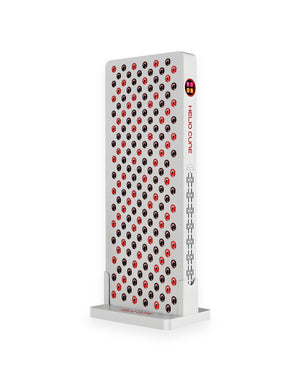
- Key Wavelengths: Prioritize devices that emit both red light (~660 nm) for surface effects and near-infrared light (~850 nm) for deep tissue penetration to reproductive organs.
- Adequate Power: Check the irradiance (power density), measured in mW/cm². For therapeutic benefit, a higher irradiance (e.g., at least 100 mW/cm² for skin-contact devices) is recommended.
- Safety Certifications: Choose a device that is FDA-listed or cleared for general therapeutic use as an indicator of safety and quality, even if not specifically approved for fertility.
- Low EMF & Flicker-Free: Opt for devices with low electromagnetic field (EMF) emissions and flicker-free operation to avoid potential cellular stress and ensure comfort.
- Manufacturer Transparency: Select companies that provide detailed technical specifications and have responsive customer support; be cautious of generic online products with vague claims.
How Frequently Should You Use Red Light Therapy for Fertility?
General guidelines suggest sessions lasting 10 to 20 minutes per treated area. The frequency is 3 to 5 times per week for cumulative benefits.
For women trying to conceive naturally, a targeted approach is often recommended. Treatment is applied in the first half (follicular phase) of the menstrual cycle, leading up to ovulation, to support egg maturation and endometrial lining. If conception occurs, therapy should be stopped. If not, sessions can resume with the new cycle.
For those preparing for IVF, a course of treatments in the three months leading up to egg retrieval can be beneficial, as this is the period of egg development. Always start with shorter sessions and adjust based on your response and device instructions.
What Precautions Should You Take Before Red Light Therapy?
Following proper precautions is necessary while taking RLT to ensure both safety and treatment efficacy:
- Consult with a qualified healthcare professional before beginning, especially if you are pregnant or trying to conceive, have pre-existing medical conditions such as autoimmune disorders, light-sensitive conditions, or a history of skin cancer, or are taking photosensitizing medications.
- Prepare your skin properly by thoroughly cleansing the treatment area with mild soap and water, drying it completely before starting.
- Remove any jewelry or metallic objects from the area to ensure maximum light penetration and minimize the risk of irritation.
- Avoid applying makeup, lotions, sunscreen, or active skincare ingredients such as retinoids, acids, or benzoyl peroxide for at least 24 hours before and after treatment.
- Do not treat over broken, irritated, or sunburned skin. Discontinue use if you experience any negative effects.
- Use the device's built-in timer or a separate timer to avoid overexposure. Start with shorter sessions at the low end of the recommended range.
- Conduct a patch test before the first full session by treating a small, inconspicuous area of skin (e.g., the inner forearm) for 2-3 minutes. Wait 24 hours to check for any adverse reaction.
- Always wear appropriate protective eyewear provided with your device, ensuring it is rated for the specific wavelengths your device emits.
- Maintain the recommended distance from the device during sessions of 6-12 inches for panels or direct contact for pads.
- Stay hydrated and remain awake during treatment, as cellular activity increases during sessions. Being alert allows you to monitor for any issues.
Can You Take Red Light Therapy at Home?
Yes, you can perform red light therapy at home to treat fertility concerns but always consult with an expert for more complicated issues.
To start at-home treatment, you will need:
- A high-quality device. Choose a panel, pad, or wearable.
- A timer or a device with a built-in timer to prevent overexposure.
- A clean, comfortable space to relax during the session.
- Cleaning supplies to gently clean your device according to the manufacturer's instructions after each use to maintain hygiene.
How Long does it take to See Improvements?
For both men and women, noticeable improvements typically require consistent use over 8 to 12 weeks, though individual results vary based on health status, the specific fertility issue, and treatment adherence.
For men, sperm health improvements, including increased motility and reduced oxidative stress, have been observed within this timeframe, as sperm maturation takes approximately 70 to 90 days.
Since a woman's eggs take approximately 90-120 days to mature, positive impacts on egg quality and ovarian function may require consistent therapy over 3 to 4 months. The 2024 clinical study that reported successful pregnancies involved a course of treatments given at weekly or bi-weekly intervals. It is important to maintain a consistent protocol and manage expectations, as fertility is complex and influenced by many factors.
What Other Conditions Can Red Light Therapy Treat?
Beyond fertility, red light therapy is used for a variety of conditions, including improving collagen production to reduce wrinkles and fine lines, healing scars, treating conditions like acne, rosacea, and psoriasis, providing relief for joint pain, muscle soreness, tendonitis, aiding in post-workout recovery, accelerating the repair of cuts, burns, scars, and surgical incisions, stimulating follicles to combat androgenic alopecia (pattern hair loss), supporting circadian rhythms, improving sleep, and reducing fatigue.
References
- https://read.qxmd.com/read/39095677/a-comprehensive-systematic-review-of-the-effects-of-photobiomodulation-therapy-in-different-light-wavelength-ranges-blue-green-red-and-near-infrared-on-sperm-cell-characteristics-in-vitro-and-in-vivo
- http://www.alliedacademies.org/articles/the-effects-of-low-level-laser-therapy-lllt-on-the-testis-in-elevatingserum-testosterone-level-in-rats.pdf
- https://www.ncbi.nlm.nih.gov/books/NBK562253/
- https://pmc.ncbi.nlm.nih.gov/articles/PMC10523118/
- https://wjmh.org/DOIx.php?id=10.5534/wjmh.230187
- https://pubmed.ncbi.nlm.nih.gov/40593993/
- https://link.springer.com/article/10.1007/s43630-023-00525-y
- https://pmc.ncbi.nlm.nih.gov/articles/PMC3944482/
- https://pubmed.ncbi.nlm.nih.gov/39685560/
- https://www.mdpi.com/2077-0383/13/23/7101
- https://pmc.ncbi.nlm.nih.gov/articles/PMC11266823/
- https://pubmed.ncbi.nlm.nih.gov/31928249/
- https://pubmed.ncbi.nlm.nih.gov/24610987/
- https://www.ncbi.nlm.nih.gov/pubmed/28801854/
- https://pubmed.ncbi.nlm.nih.gov/37544939/
- https://www.mdpi.com/2304-6732/12/10/1021
- https://www.mdpi.com/2304-6732/11/2/136
- https://pubmed.ncbi.nlm.nih.gov/28686000/
- https://pmc.ncbi.nlm.nih.gov/articles/PMC8758216/
- https://www.ncbi.nlm.nih.gov/pubmed/29546619/
- https://pubmed.ncbi.nlm.nih.gov/29668354/
- https://pubmed.ncbi.nlm.nih.gov/36116559/
- https://pmc.ncbi.nlm.nih.gov/articles/PMC8617585/
- https://pmc.ncbi.nlm.nih.gov/articles/PMC11642705/
- http://www.alliedacademies.org/articles/the-effects-of-low-level-laser-therapy-lllt-on-the-testis-in-elevatingserum-testosterone-level-in-rats.pdassessed