


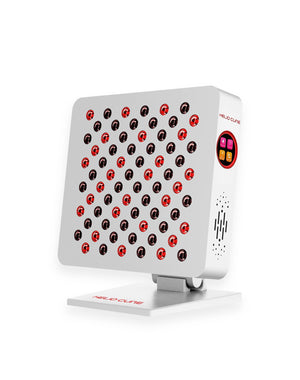
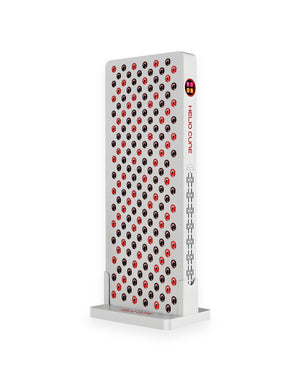

Red light therapy (RLT) helps manage heart conditions by delivering specific wavelengths that penetrate the chest wall to optimize mitochondrial energy production in cardiac cells, reduce vascular inflammation, improve endothelial function, and support healthy circulation.
For coronary artery disease, a 2024 study in Lasers in Medical Science found that 808 nm light applied three times weekly for four weeks significantly reduced inflammatory markers and chest pain frequency. For post-angioplasty outcomes, research shows phototherapy reduces restenosis rates from approximately 30% to as low as 14.7% in arteries larger than 2.5 mm. For microvascular dysfunction, a 2025 case study reported that after 12 weeks, ankle-brachial index improved from 0.65 to 0.78, walking distance increased from 50 m to 1 km, and transcutaneous oxygen tension rose from 22 mmHg to 45 mmHg.
For best results, use RLT 4-6 times weekly for coronary artery support and endothelial health, and 5-6 times weekly for microvascular recovery. Choose FDA-cleared devices with 630-670 nm red for superficial vascular structures and 810-950 nm near-infrared for deeper penetration to the myocardium and coronary vessels. Select large panels for comprehensive coverage of the chest and sternal region, and always wear wavelength-specific protective goggles during use.
This think-piece details 15 cardiovascular concerns RLT helps, including hypertension (high blood pressure), ischemic heart disease, myocardial infarction, atherosclerosis, endothelial dysfunction, peripheral artery disease, angina, heart failure, arrhythmias, cardiac ischemia, post-heart surgery recovery, coronary artery disease (CAD), inflammatory heart conditions, microvascular dysfunction, and vascular inflammation & oxidative stress.
It also outlines what you should know about using red light therapy for heart conditions, how it works for cardiovascular health, how to choose the right device, how frequently to use it, what precautions to take, whether you can use it at home, how long it takes to see improvements, and what other conditions red light therapy can treat.
The goal of the article is to educate readers with cardiovascular concerns about the different ways RLT can support their heart health and recovery.

1. Hypertension (High Blood Pressure)
Hypertension is a chronic medical condition where the force of blood against artery walls is persistently too high. It often leads to cardiovascular disease and requires consistent management.
RLT helps manage blood pressure by stimulating the release of nitric oxide (NO), a potent vasodilator that relaxes blood vessels and improves circulation. The light energy restores mitochondrial bioenergetics and suppresses inflammatory mediators like TNF-α and IL-6, addressing endothelial dysfunction, which is a key driver of hypertension. This targets the root vascular issues rather than just symptoms.
Device, Wavelength & Intensity
A flexible pad or targeted probe placed over the radial artery (wrist area) or lower abdomen is recommended. Clinical trials demonstrate success with 660nm red light using 180 J total energy per session. Animal studies confirm efficacy with near-infrared 780nm at 30 J/cm². Use 50-100 mW/cm² intensity for 15-30 minute sessions, 1-3 times weekly for 6 weeks.
Before & After Results
Before treatment, patients show elevated systolic and diastolic pressures with endothelial dysfunction. After PBM therapy, a clinical trial demonstrated a 12.22% reduction in systolic BP and 5.43% reduction in diastolic BP compared to minimal changes in placebo groups. Animal studies confirm significant mean arterial pressure reductions of 13 mmHg with improved endothelium-dependent vasodilation and increased NO bioavailability.
2. Ischemic Heart Disease
Ischemic heart disease occurs when the coronary arteries are narrowed or blocked. It reduces blood flow to the heart muscle and starves cardiomyocytes of vital oxygen and nutrients.
RLT targets the heart's mitochondria (the organelles that suffer greatly during ischemia). The light stimulates cytochrome c oxidase to boost ATP production while reducing toxic reactive oxygen species. A 2024 study confirmed that 850nm PBM reverses oxidative stress, mitochondrial dysfunction, and apoptosis caused by hypoxia/reoxygenation in cardiomyocytes. The treatment also limits infarct size, reduces inflammation, and improves reperfusion.
Device, Wavelength & Intensity
A targeted device placed over the sternum delivers light directly to the heart. Use a near-infrared 850nm wavelength for optimal tissue penetration. Preclinical studies demonstrate efficacy at 1 J/cm² energy density, with research showing that 652nm also promotes angiogenesis and vascular remodeling in ischemic tissue. Treatments typically involve short sessions repeated over several weeks.
Before & After Results
Before treatment, ischemic heart tissue shows stressed mitochondria, reduced ATP, elevated ROS, and progressing cell death. After the therapy, studies demonstrate significantly improved cell survival, normalized oxidative stress markers, reduced apoptosis, and enhanced autophagy regulation in cardiomyocytes. These cellular improvements translate to smaller infarct size and better functional recovery.
3. Myocardial Infarction
Myocardial infarction is a life-threatening event where blood flow to the heart muscle is suddenly blocked. It causes cardiomyocyte death and permanent damage to cardiac tissue.
RLT targets the mitochondria of damaged heart cells in myocardial infarction, stimulating ATP production while reducing toxic reactive oxygen species. The treatment modulates key inflammatory pathways, robustly decreasing mRNA expression of IL-6, TNF receptor, and TGFβ1 while reducing fibrosis-related collagen I and III. PBM also decreases miR-221, miR-34c, and miR-93 (microRNAs linked to deleterious cardiac remodeling post-infarction).
Device, Wavelength & Intensity
A targeted device placed over the sternum delivers light directly to the heart. Preclinical studies demonstrate efficacy with 660nm wavelength at 1.15 J/cm² fluence, using 15mW power for 60-second applications. Near-infrared 810nm also shows therapeutic benefits for wound healing in cardiac tissue.
Before & After Results
Before treatment, infarcted tissue shows stressed mitochondria, elevated inflammatory markers, and progressive fibrosis. Post-therapy studies demonstrate robust decreases in post-MI inflammation markers, reduced collagen deposition, and attenuated adverse cardiac remodeling. Systematic reviews confirm infarct size reductions of up to 76%, decreased scarring, and increased tissue repair across multiple animal models.
4. Atherosclerosis
Atherosclerosis is a chronic inflammatory disease where arteries narrow and harden due to plaque accumulation. It is driven by lipid deposition and immune responses in the vessel wall.
RLT applied over major arteries combats atherosclerosis through multiple mechanisms. A 2021 study demonstrated that PBM promotes cholesterol efflux from lipid-loaded macrophages via up-regulating ATP-binding cassette transporter A1 (ABCA1), inhibiting foam cell formation. The treatment also reduces oxidative stress and inflammation while improving endothelial function through enhanced nitric oxide signaling. Near-infrared laser therapy further provides anti-inflammatory effects and promotes collagen and extracellular matrix integrity in plaque tissue.
Device, Wavelength & Intensity
A flexible pad positioned over the carotid arteries or chest provides optimal vascular penetration. For atherosclerosis, 850nm near-infrared light at 500 mW power with 100 J/cm² energy density has demonstrated efficacy in improving endothelial dysfunction. A 2024 study protocol used 1064nm at 130 J/cm² for plaque stabilization. Treatments typically involve sessions 3-5 times weekly. The 2023 Syed study used 850nm at 25 mW/cm² for 2 minutes daily (fluence 3 J/cm²) to mitigate cardiovascular aging.
Before & After Results
Before treatment, arteries show significant plaque accumulation with elevated inflammatory markers. After RLT, a 2021 study demonstrated that average plaque area decreased by 8.3% in ApoE-/- mice. HDL cholesterol increased from 0.309 to 0.472 nmol/L.
5. Endothelial Dysfunction
Endothelial dysfunction is a systemic condition where the inner lining of blood vessels fails to regulate vascular tone properly. It manifests as reduced nitric oxide bioavailability and serves as an early predictor of cardiovascular disease. RLT applied over arteries directly targets the underlying mechanism of endothelial dysfunction by stimulating nitric oxide release.
A 2021 study confirmed that 660nm red laser significantly improves endothelium-dependent relaxation by restoring NO bioavailability in dysfunctional vascular tissue. The light energy enhances phosphorylation of endothelial nitric oxide synthase (eNOS), increasing NO production while reducing oxidative stress. NIR-II wavelengths also induce mitochondrial retrograde signaling that activates Akt and eNOS pathways.
Device, Wavelength & Intensity
A flexible pad or targeted probe placed over the radial artery (wrist) or brachial artery provides optimal access. Research confirms efficacy with 660nm red laser at 5.6 Joules per point applied three times. NIR-II wavelengths 1064nm at 10-50 mW/cm² also effectively induce eNOS phosphorylation. A 2022 study demonstrated that 10 mW/cm² at 1064nm significantly increases NO release in endothelial cells. Treatments typically involve 3 sessions weekly.
Before & After Results
Before treatment, endothelial dysfunction is evident with impaired acetylcholine-induced vasorelaxation. After RLT, vascular relaxation significantly improves to 72.91±3.10% with preventive treatment and 66.72±4.83% with reversal treatment, both approaching normal function (91.96±2.04%). A 2024 review confirmed PBM restores endothelial NO through eNOS phosphorylation and improves cerebral blood flow.
6. Peripheral Artery Disease
Peripheral artery disease (PAD) is a progressive circulatory condition where narrowed arteries reduce blood flow to the limbs. It causes painful cramping and impaired wound healing.
In PAD, RLT applied to the lower extremities helps restore vascular function through multiple mechanisms. Research demonstrates that 670nm light stimulates vasodilation by releasing nitric oxide (NO) bound substances from the endothelium, independent of nitric oxide synthase activity. This mechanism is particularly important in PAD with diabetes, where conventional endothelial function is impaired. The treatment also improves mitochondrial activity in the gastrocnemius muscle and enhances leg perfusion.
Device, Wavelength & Intensity
A flexible pad or panel device positioned behind the heels, targeting the lower extremities, is recommended. An active phase II clinical trial uses 660nm far-red light at 26.3 mW/cm² intensity for 10-minute sessions twice daily. The sham device delivers only 0.24 mW/cm², confirming the therapeutic specificity. A 2017 study demonstrated efficacy with 670nm at 10 mW/cm² for 5-minute exposures.
Before & After Results
Before treatment, PAD patients experience impaired vasodilation and poor tissue perfusion. After RLT, a 2017 study demonstrated that 670nm light significantly dilated blood vessels in diabetic mouse models (db/db), rescuing vascular dysfunction where conventional treatments fail. The vasodilation was completely abolished by NO scavenger c-PTIO, confirming the mechanism. A 2025 pilot study showed PBM combined with exercise improved wound healing and walking capacity compared to baseline in PAD patients with diabetic foot ulcers.
7. Angina
Angina is chest pain or discomfort caused when your heart muscle doesn't receive enough oxygen-rich blood, typically due to narrowed or blocked coronary arteries.
RLT applied to the chest targets the coronaries with promising implications for chronic stable angina patients. The treatment stimulates mitochondrial activity, limits infarct size, reduces inflammation, and improves reperfusion. Near-infrared light triggers cardioprotection by releasing nitric oxide (NO) from its stores, acting as a potent vasodilator that improves blood flow to oxygen-starved heart tissue. This mechanism is particularly valuable for patients with ischemic conditions not accessible to current revascularization procedures.
Device, Wavelength & Intensity
Use a targeted and flexible panel device placed over the sternum to deliver light directly to the heart. Preclinical studies demonstrate efficacy with near-infrared wavelengths in the 600-1000nm spectrum, with NIR treatment showing protective effects on ischemic heart conditions. A 2023 review confirms PBM's ability to modulate inflammation, oxidative stress, and cardiac function in cardiovascular disorders. Suggested protocols are 50-100 mW/cm² intensity for sessions lasting 10-25 minutes, 3-5 times weekly.
Before & After Results
Before treatment, angina patients experience reduced blood flow to the heart muscle with limited revascularization options. After PBM, studies demonstrate enhanced NO-mediated vasodilation, improved mitochondrial bioenergetics, and suppressed inflammatory mediators such as tumor necrosis factor-alpha and interleukin-6. The treatment addresses the hallmarks of cardiac pathology. It stimulates mitochondrial activity, reduces inflammation, and improves reperfusion in preclinical models. A 2023 review highlights PBM's potential as a stand-alone therapy for patients not responsive to traditional treatments.
8. Heart Failure
Heart failure is a progressive condition where the heart cannot pump enough blood to meet the body's needs, often resulting from myocardial infarction, hypertension, or cardiomyopathy. RLT or photobiomodulation therapy applied to the chest targets mitochondrial dysfunction (a key driver of heart failure pathology). PBM promotes ATP synthesis by upregulating glycolipid metabolizing enzymes and improving succinate dehydrogenase activity in cardiomyocytes. The treatment reduces myocardial fibrosis, restores mitochondrial bioenergetics, enhances nitric oxide signaling, and suppresses inflammatory mediators such as tumor necrosis factor-alpha and interleukin-6. A 2025 review confirmed that PBM improves diastolic function and mitochondrial metabolism while reducing perivascular inflammation in heart failure with preserved ejection fraction.
Device, Wavelength & Intensity
A flexible pad device positioned over the sternum or a combination of transcutaneous and intravenous delivery is recommended. A 2024 clinical study used 658nm red and 810nm infrared lasers for 15 sessions in advanced heart failure patients. A 2024 dose-finding study on infarcted rats applied 830nm laser transthoracically three times weekly for 4 weeks, finding that 10J and 20J doses optimally attenuated pulmonary congestion and improved ventricular function, while 40J showed less benefit. A 2023 animal study used 850nm at 25 mW/cm² for 2 minutes daily (fluence 3 J/cm²). Ongoing trials are investigating twice-daily home treatment protocols.
Before & After Results
Before treatment, heart failure patients experience reduced functional capacity and poor cardiac performance. Post-PBM therapy, a 2024 case series of 10 advanced cardiomyopathy patients demonstrated significant improvement in the six-minute walk test from baseline to 3 months post-treatment, with a strong correlation between walk distance improvement and reduced shortness of breath. A 2023 animal study showed PBM-treated mice had 100% survival versus 43% in untreated controls, with reduced left ventricular mass, increased ejection fraction, and decreased aortic stiffness. A 2025 review confirmed PBM consistently reduces myocardial fibrosis and restores mitochondrial bioenergetics across cardiovascular conditions.
9. Arrhythmias
Arrhythmias are disorders of the heart's electrical system, causing irregular heartbeats, ranging from benign palpitations to life-threatening ventricular tachycardia or electrical storm requiring emergency intervention.
Stellate ganglion phototherapy using low-level laser targets the autonomic nervous system to suppress malignant arrhythmias. A 2021 clinical study demonstrated that 10-minute sessions significantly reduced sympathetic activity by decreasing serum adrenaline concentrations and lowering the LF/HF ratio (sympathovagal balance) during treatment. The therapy modulates the stellate ganglion, a key sympathetic nerve center, without the risks of invasive blockade or ablation. A 2023 study further confirmed that stimulating the Neiguan (PC6) acupuncture point with 10Hz PBM enhances parasympathetic activity, promoting autonomic balance.
Device, Wavelength & Intensity
A targeted probe device positioned over the stellate ganglion (neck region) is recommended. The 2021 clinical protocol used 10-minute sessions twice weekly for 4 weeks with low-level laser parameters. A 2023 study used an 850nm LED at 20 mW power with 20 J/cm² energy density, applying 10Hz pulse rate stimulation to the Neiguan acupoint. The 2025 systemic PBM review confirms that both intravenous (ILIB) and transcutaneous approaches show promise for cardiovascular conditions.
Before & After Results
Before treatment, patients with refractory electrical storm experience recurrent ventricular arrhythmias despite medications and ablation. After stellate ganglion phototherapy, 7 of 11 patients (63.6%) had complete suppression of electrical storm. Serum adrenaline concentrations significantly decreased post-treatment, with reduced sympathetic tone documented by heart rate variability analysis. However, without maintenance therapy, 2 patients experienced arrhythmia recurrence, suggesting chronic treatment may be needed. The 2023 acupoint study confirmed 10Hz stimulation at PC6 significantly enhanced parasympathetic activity (HF%) while inhibiting sympathetic tone.
10. Cardiac Ischemia
Cardiac ischemia occurs when blood flow to the heart muscle is reduced, starving cardiomyocytes of oxygen and leading to dysfunction, cell death, and progressive heart failure.
Photobiomodulation therapy applied over the sternum targets the hallmarks of ischemic pathology. It stimulates mitochondrial activity, limits infarct size, reduces inflammation, and improves reperfusion. A novel device placed over the sternum delivers light directly to the heart. PBM modulates transcriptional changes post-ischemia, decreasing mRNA expression of inflammatory markers IL-6, TNF receptor, and TGFβ1, while reducing fibrosis-related collagen I and III. It also decreases miR-221, miR-34c, and miR-93 (microRNAs linked to deleterious cardiac remodeling).
Device, Wavelength & Intensity
A flexible pad or novel sternal device positioned over the chest is recommended. A 2024 clinical study used 15 sessions of transcutaneous and intravenous PBM with 658nm red and 810nm infrared lasers. Preclinical studies demonstrate efficacy with 660nm at 1.15 J/cm² (15mW power, 60 seconds). A 2025 study optimized 652nm at 15 mW/cm² for 180 seconds, showing enhanced vascular remodeling. Table 2 data confirms that 660nm at 0.003-0.06 W/cm² increases NO release, and 635nm at 1 J/cm² improves ischemic heart disease.
Before & After Results
Before treatment, ischemic cardiomyopathy patients show reduced functional capacity. After 15 PBM sessions, a 2024 case series demonstrated significant improvement in the six-minute walk test from baseline to 3 months, with a strong correlation between walk distance improvement and reduced shortness of breath. A 2025 study showed 652nm PBM improved blood flow recovery at 14 days post-surgery in ischemic limbs. Preclinical data confirms PBM reduces infarct size, attenuates left ventricle dysfunction, and decreases myocardial IL-1β and IL-6.
11. Post-Heart Surgery Recovery
Post-heart surgery recovery involves healing from procedures like coronary artery bypass grafting (CABG). In this, patients face risks of pain, sternal instability, inflammation, and complications such as pericardial effusion or mediastinitis.
RLT accelerates healing after cardiac surgery through multiple mechanisms. Applied to the sternotomy incision and intravenously, it significantly reduces post-operative pain and inflammation. The light energy promotes tissue repair by decreasing hyperemia, preventing incision bleeding and dehiscence, and enhancing wound closure. It also reduces cardiac enzyme levels (LDH and CPK), indicating less cardiac muscle damage.
Device, Wavelength & Intensity
A combined approach using both transdermal and intravenous delivery is recommended. The landmark 2021 CABG study used transdermal: 980 nm, 200 mW, continuous, 6 J/cm² energy fluence, alongside intravenous: 405 nm, 1.5 mW, continuous for 30 minutes, applied daily for 6 days post-surgery. For sternotomy incision healing specifically, LED therapy at 640 ± 20 nm with 1.2 J/cm² applied during hospitalization significantly improved outcomes. A 2024 clinical trial protocol uses a 635-670 nm laser at <6 mW for vagus nerve stimulation post-operatively.
Before & After Results
Before treatment, CABG patients experience significant post-operative pain, elevated cardiac enzymes, and risk of complications. After PBM therapy, a randomized controlled trial of 170 patients demonstrated significantly lower LDH and CPK levels on post-operative day 4, along with significantly reduced complications, including pericardial effusion, pathologic ST changes, heart failure, and mediastinitis. Pain scores (VAS) were significantly lower in treated patients. LED therapy specifically reduced sternotomy pain on days 6 and 8 post-discharge, with less hyperemia and no incision dehiscence compared to controls. A 2019 randomized trial confirmed LLLT significantly decreased upper-sternal separation compared to control groups.
12. Coronary Artery Disease (CAD)
Coronary artery disease (CAD) occurs when the major blood vessels supplying the heart become narrowed or blocked due to plaque buildup, restricting blood flow.
Light therapy, specifically photobiomodulation (PBM), uses red and near-infrared light to stimulate mitochondrial activity in cardiac cells. It limits infarct size and reduces inflammation. This process helps stabilize atherosclerotic plaques and improve blood flow by stimulating nitric oxide release, which enhances vasodilation.
Device, Wavelength, and Intensity
A high-powered LED panel or laser device placed over the sternum delivers wavelengths of 660 nm (red) and 850 nm (near-infrared) at an intensity of 20-50 mW/cm² for 10-20 minutes.
Before & After Results
Before treatment, CAD patients show impaired endothelial function with elevated inflammatory markers and dyslipidemia. After treatment, studies show phototherapy reduces restenosis rates after stenting from expected ~30% to as low as 14.7% in arteries >2.5 mm. Research also demonstrates enhanced endothelial function and reduced cardiac cell damage post-procedure.
13. Inflammatory Heart Conditions
Inflammatory heart conditions, such as myocarditis, involve inflammation that impairs the heart muscle and disrupts its electrical function. Photobiomodulation (PBM) reduces inflammation in heart conditions by downregulating pro-inflammatory cytokines such as tumor necrosis factor-alpha (TNF-α) and interleukin-6 (IL-6) while lowering oxidative stress markers such as malondialdehyde (MDA). This light therapy stimulates mitochondrial activity, helping stabilize cardiac cells and protect them from inflammatory damage.
Device, Wavelength, and Intensity
Go for a high-powered LED panel or laser device placed over the sternum that delivers red to near-infrared light. Research supports wavelengths of 660 nm (red) at 10 mW/cm² and 850 nm (near-infrared) at 20-50 mW/cm² for 10-20 minutes.
Before & After Results
Studies on cardiac cells show PBM preconditioning partially restores cell viability by modulating 50% of dysregulated genes associated with inflammation and stress. Protein expression of inflammatory markers IL-6 and TNF-α is significantly reduced post-treatment.
14. Microvascular Dysfunction
Microvascular dysfunction refers to impaired blood flow through the smallest blood vessels (the arterioles and capillaries), often leading to tissue ischemia and endothelial damage.
Red and near-infrared light therapy stimulates the release of nitric oxide (NO) from endothelial stores, independent of nitric oxide synthase (NOS) activity, causing immediate vasodilation and improved microvascular perfusion. This process also promotes angiogenesis by triggering vascular endothelial growth factor (VEGF) expression and enhancing capillary sprouting, which helps restore blood flow to ischemic tissues.
Device, Wavelength, and Intensity
Choose a high-powered LED panel or laser device with combined red and near-infrared wavelengths that deliver optimal results. Clinical protocols utilize 633 nm at 70 mW/cm² (red) and 830 nm at 55 mW/cm² (near-infrared) for superficial microvascular treatment. For deeper vascular penetration, 810 nm at 12-15 W achieves therapeutic dosing of 8,000-10,000 Joules per session.
Before & After Results
In diabetic models with pre-existing endothelial dysfunction, photobiomodulation significantly restores vasodilation capacity and rescues impaired vascular responses. Following induced hindlimb ischemia, daily 652 nm treatment improves blood flow recovery by day 14, with marked increases in microvascular sprouting and capillary branching observed post-treatment. A clinical case study reported that after 12 weeks of PBM, ankle-brachial index (ABI) improved from 0.65 to 0.78, walking distance increased from 50 m to 1 km, and transcutaneous oxygen tension (TcPO₂) rose from 22 mmHg to 45 mmHg, with complete closure of ischemic ulcers.
A 2025 comprehensive review confirms PBM enhances NO bioavailability and restores endothelium-dependent vasodilation while suppressing inflammatory mediators. Ongoing clinical trials continue to evaluate microcirculatory hemodynamic responses to red and near-infrared light.
15. Vascular Inflammation & Oxidative Stress
Vascular inflammation and oxidative stress arise when an imbalance between free radicals and antioxidants damages the endothelium, fueling the progression of cardiovascular disease.
Red and near-infrared light stimulates mitochondrial cytochrome c oxidase, triggering a mild, beneficial oxidative burst that paradoxically reduces severe oxidative damage. This process downregulates inflammatory mediators like tumor necrosis factor-alpha and interleukin-6 while enhancing superoxide dismutase (SOD) and glutathione peroxidase (GSH-Px), key antioxidant enzymes that neutralize harmful free radicals.
Device, Wavelength, and Intensity
A high-powered LED panel or laser device emits light at 660 nm (red) and 850 nm (near-infrared). Clinical protocols utilize 10-50 mW/cm² intensity applied over the sternum or targeted vascular regions for 10-20 minutes per session.
Before & After Results
In maintenance hemodialysis patients, 10 sessions of external red light irradiation significantly increased serum SOD and GSH-Px levels while decreasing malondialdehyde (MDA) (a key oxidative stress marker) compared to controls. Research demonstrates PBM restores redox balance by reducing pro-inflammatory cytokines and improving endothelial function.
What Should You Know About Using Red Light Therapy for Heart Conditions?
Before adding red light therapy to your wellness routine for heart conditions, it is essential to understand how light energy interacts with heart tissues, what features to evaluate when selecting a device, how frequently to apply it, and which safety measures safeguard you during treatment. You should also consider whether at-home use is a viable option, how soon you may observe changes in your symptoms, and the full range of heart concerns that this therapy may potentially support.
How does Red Light Therapy Work for Heart Conditions?
Red light therapy works for heart conditions by delivering specific red and near-infrared wavelengths that penetrate the chest wall and are absorbed by cytochrome c oxidase within cardiac mitochondria.
This absorption boosts adenosine triphosphate (ATP) production, enhancing the contractile efficiency of heart muscle cells while reducing ischemia-reperfusion injury during restricted blood flow. The therapy also stimulates nitric oxide release from endothelial cells, promoting vasodilation that improves coronary and peripheral circulation.
Additionally, it downregulates pro-inflammatory cytokines like tumor necrosis factor-alpha and interleukin-6 while lowering oxidative stress markers such as malondialdehyde, helping stabilize atherosclerotic plaques and support vascular recovery.
How to Choose the Right Red Light Device for Heart Conditions?
To choose the right red light device for heart conditions, you must select equipment designed to penetrate the chest wall and deliver consistent energy to cardiovascular tissues as follows.
- Prioritize FDA clearance or CE marking to ensure safety and manufacturing standards.
- Match wavelength to tissue depth: use near-infrared 810-950 nm for penetrating the rib cage and myocardium, while red light 630-670 nm can support superficial vascular structures.
- Select a large LED panel that covers the entire sternal and precordial region in a single session, as small wands cannot deliver sufficient coverage.
- Ensure sufficient power output with therapeutic irradiance of at least 50-100 mW/cm².
- Verify that the device includes cooling mechanisms to prevent thermal buildup during 10- to 20-minute sessions.
How Frequently should You Use Red Light Therapy for Heart Conditions?
For heart conditions, use red light therapy 4 to 6 times weekly, depending on the specific issue.
For coronary artery disease recovery or post-angioplasty support, apply RLT within 24 hours of the procedure, followed by sessions every 2 to 3 days during the first week. For chronic stable angina or heart failure support, 5 sessions per week for 4 to 6 weeks is recommended, then 2 to 3 times weekly for maintenance. For endothelial dysfunction and microvascular support, 5 to 6 sessions weekly during the initial 8- to 12-week phase yield optimal results. Each session typically lasts 10 to 20 minutes with the device positioned over the sternum.
What Precautions Should You Take Before Red Light Therapy?
Before starting red light therapy for heart conditions, you must take specific precautions given the sensitivity of cardiac tissue and the potential for interactions with implanted devices.
- Consult a cardiologist for proper diagnosis and clearance, especially if you have a pacemaker, implantable cardioverter-defibrillator (ICD), or a history of arrhythmias.
- Always wear wavelength-specific protective goggles, as light exposure can affect circadian rhythms and heart rate variability.
- Avoid direct irradiation of known cancerous tissues, active infections, or recent surgical sites without medical approval.
- Use caution if taking photosensitizing medications such as amiodarone or certain antibiotics, as they can increase photosensitivity risks.
- Monitor your heart rate and blood pressure before and after sessions, and discontinue use if you experience palpitations, dizziness, or chest discomfort.
Can You Take Red Light Therapy at Home?
Yes, you can safely use red light therapy at home to support cardiovascular health, provided you invest in a device capable of penetrating to the depth of the heart and adhere to strict safety protocols. To do so safely, you need the following.
- An FDA-cleared or CE-marked home device with sufficient power output, with a large panel delivering both red and near-infrared wavelengths at an irradiance of at least 50-100 mW/cm².
- Clearance from your cardiologist before beginning, especially if you have an implanted electronic device.
- Wavelength-specific protective goggles to protect your eyes and preserve normal circadian function.
- A device with adequate cooling fans is important to prevent thermal buildup.
How Long does it take to See Improvements?
Improvements from red light therapy for heart conditions typically appear within 4 to 12 weeks, depending on the specific cardiovascular issue and the consistency of application.
For coronary artery disease, reductions in restenosis rates following angioplasty are observed within 6 months, with initial improvements in inflammatory markers within 2 to 4 weeks. For microvascular dysfunction, improved exercise tolerance and walking distance often appear in 6 to 8 weeks. For endothelial dysfunction, measurable improvements in flow-mediated dilation are typically documented after 8 to 12 weeks. Those managing stable angina may notice reduced episode frequency within 4 to 6 weeks, while heart failure patients often experience improvements in functional capacity over 8 to 12 weeks.
What Other Conditions Can Red Light Therapy Treat?
Besides heart conditions, red light therapy also treats a wide range of other health issues, leveraging its core mechanisms of reducing inflammation, accelerating tissue repair, and improving circulation, including the following:
- Skin rejuvenation and wound healing
- Hair growth restoration
- Muscle recovery and sports performance
- Joint pain and osteoarthritis
- Peripheral neuropathy and neuropathic pain
- Traumatic brain injury and cognitive function
- Thyroid function support
- Diabetic foot ulcers and peripheral artery disease
- Dental pain and oral mucositis
- Seasonal affective disorder (SAD)
- Lymphedema and chronic venous insufficiency
References
- https://link.springer.com/article/10.1007/s10103-024-04123-9
- https://pubmed.ncbi.nlm.nih.gov/35257749/
- https://pubmed.ncbi.nlm.nih.gov/39806225/
- https://pubmed.ncbi.nlm.nih.gov/41095798/
- https://koreamed.org/SearchBasic.php?RID=2572586
- https://repositorioacademico.universidadebrasil.edu.br/collections/8b7a7961-0c51-4fac-ae5c-e74ef9595866?f.subject=Altera%C3%A7%C3%B5es%20hemodin%C3%A2micas,equals&f.subject=Engenharia%20Biom%C3%A9dica%20(Bioengenharia),equals&f.subject=Hipertens%C3%A3o%20arterial,equals&f.subject=ILIB%20modificado,equals&spc.page=1&f.dateIssued.min=2023&f.author=Silva%20e%20Lima,%20Veridiana%20Palmiro%20da%20Silva,equals&f.has_content_in_original_bundle=true,equals&f.dateIssued.max=2023
- https://pmc.ncbi.nlm.nih.gov/articles/PMC4150668/
- https://pubmed.ncbi.nlm.nih.gov/40100331/
- https://link.springer.com/article/10.1007/s10439-025-03884-y
- https://pubmed.ncbi.nlm.nih.gov/39033547/
- https://pubmed.ncbi.nlm.nih.gov/40577973/
- https://pubmed.ncbi.nlm.nih.gov/41107609/
- https://pubmed.ncbi.nlm.nih.gov/33846991/
- https://www.ahajournals.org/doi/10.1161/res.131.suppl_1.P2034
- https://pubmed.ncbi.nlm.nih.gov/28181487/
- http://testing.medchemexpress.cn/mce_publications/33951300.html
- https://pubmed.ncbi.nlm.nih.gov/41177806/
- https://isth2024.eventscribe.net/fsPopup.asp?efp=R0tKSkNBT0ExNjMzNg&PresentationID=1432164&rnd=0.7585744&mode=presInfo
- https://isth2024.eventscribe.net/fsPopup.asp?efp=R0tKSkNBT0ExNjMzNg&PresentationID=1432764&rnd=1.560485E-02&mode=presInfo
- https://jipmerlibrary.ovidds.com/discover/result?logSearchID=158647560&pubid=7902-info%3adoi%2f10.1002%252Flsm.23644
- https://doity.com.br/anais/vsbv/trabalho/175724
- https://pubmed.ncbi.nlm.nih.gov/39400823/
- https://pubmed.ncbi.nlm.nih.gov/38572660/
- https://jipmerlibrary.ovidds.com/discover/result?logSearchID=155839812&pubid=7156-oai%3Apubmedcentral.nih.gov%3A9382775
- https://pubmed.ncbi.nlm.nih.gov/34049180/
- https://clinicaltrials.gov/study/NCT06399900?term=cardiology&locStr=United%20States&country=United%20States&aggFilters=status:
- https://pubmed.ncbi.nlm.nih.gov/28935419/
- https://www.sciencedirect.com/science/article/abs/pii/S0891584917307578?via%3Dihub
- https://pubmed.ncbi.nlm.nih.gov/30377855/
- https://pubmed.ncbi.nlm.nih.gov/37214067/
- https://journals_beta.koreamed.org/SearchBasic.php?RID=2572586
- https://pubmed.ncbi.nlm.nih.gov/39828493/
- https://pubmed.ncbi.nlm.nih.gov/37864702/
- https://pubmed.ncbi.nlm.nih.gov/39202352/
- https://pubmed.ncbi.nlm.nih.gov/38355870/
- https://pubmed.ncbi.nlm.nih.gov/33593850/
- https://pubmed.ncbi.nlm.nih.gov/36819647/
- https://pubmed.ncbi.nlm.nih.gov/33593850/
- https://pubmed.ncbi.nlm.nih.gov/37383185/
- https://pubmed.ncbi.nlm.nih.gov/40084444/
- https://pubmed.ncbi.nlm.nih.gov/37751719/
- https://pubmed.ncbi.nlm.nih.gov/37383185/
- https://www.medscape.com/medline/abstract/33398614
- https://www.semanticscholar.org/paper/The-effects-of-LED-emissions-on-sternotomy-incision-Oliveira-Fernandes/0bbe1157649af6470f27d1491bb14260fe6dc5df
- https://pubmed.ncbi.nlm.nih.gov/33398614/
- https://www.mendeley.com/catalogue/5349196a-3aa3-3cb4-b4c9-b321ae411baa/
- https://clinicaltrials.gov/study/NCT06637085?term=tenseness&viewType=Table&rank=5
- https://www.springermedizin.de/de/the-effects-of-led-emissions-on-sternotomy-incision-repair-after/8738920
- https://read.qxmd.com/read/30547261/low-level-laser-therapy-versus-trunk-stabilization-exercises-on-sternotomy-healing-after-coronary-artery-bypass-grafting-a-randomized-clinical-trial
- https://www.em-consulte.com/it/ajax/moduleArticleVue/article/584449/impression/long-term-follow-up-after-coronary-stenting-and-in?OWASP_CSRFGUARD_KEY=HE86-D2P2-DZ83-3GUL-RPWF-5LZ5-DDSI-5Z15
- https://theamericanchiropractor.com/article/2025/4/1/photobiomodulation-therapy-for-cardiovascular-health
- https://pmc.ncbi.nlm.nih.gov/articles/PMC12292828/
- https://pmc.ncbi.nlm.nih.gov/articles/PMC10462914/table/T1/
- https://www.citeab.com/publication/40210995-40722850-photobiomodulation-therapy-reduces-oxidative-stress
- https://www.sciencedirect.com/science/article/abs/pii/S0891584917307578
- https://www.omicsdi.org/dataset/biostudies-literature/S-EPMC5699925
- https://www.sciencedirect.com/author/6506084152/sebastien-deglise
- https://clinicaltrials.gov/study/NCT03357523
- https://fotonmedix.com/the-economics-of-photobiomodulation-value-precision-and-microvascular-restoration.html/
- https://iris.unil.ch/entities/publication/6cc3e5f2-5a2b-4528-943e-c64004fb5f9f
- https://pmc.ncbi.nlm.nih.gov/articles/PMC11200653/
- http://www.lcsxyjy.com/EN/abstract/abstract854.shtml
- http://510k.innolitics.com/device/K243993
- https://pmc.ncbi.nlm.nih.gov/articles/PMC7998572/