


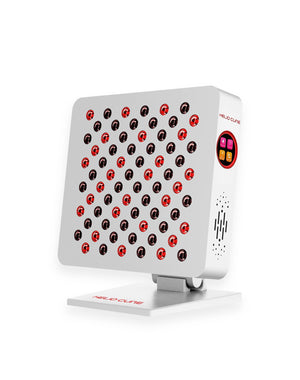
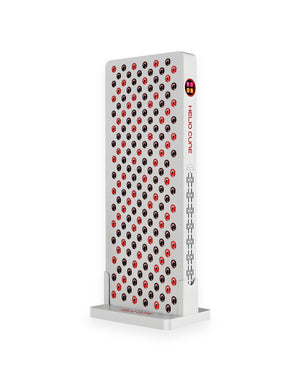

Red light therapy is a non-invasive treatment that delivers specific wavelengths of red and near-infrared (NIR) light to stimulate cellular energy production, reduce inflammation, and promote collagen synthesis. For effective at-home use, the process begins with cleaning the skin to remove any barriers that could impede light absorption. Once the area is prepared, the device should be positioned at a distance of 12 to 36 inches from the target zone, and protective eyewear must be worn to safeguard against high-intensity light exposure.
Wavelength selection is based on therapeutic goals: 660 nanometers (nm) is recommended for skin-level treatments, 850 nm for deeper tissue support, and 1064 nm for musculoskeletal applications. Initial sessions should last between 5 to 10 minutes, allowing the body to adapt to the light exposure. Over time, the duration may be extended to 15 to 20 minutes for enhanced results. Maintaining a steady, relaxed position during each session ensures uniform light distribution across the treatment area.
For optimal outcomes, therapy should be performed 3 to 5 times per week with close monitoring of the skin’s response to prevent overstimulation. When applied consistently, visible improvements in skin tone and texture may be noticeable within 1 to 2 weeks, while deeper therapeutic benefits, such as joint relief or muscle recovery, typically become evident after 4 to 12 weeks of regular use.
This guide serves as a complete reference for at-home red light therapy, with a practical 7-step application guideline that is: clean the treatment area, position the device correctly, wear protective eyewear, adjust wavelength and intensity, set appropriate session duration, stay relaxed during treatment, and ensure even exposure.
The article also outlines recommended practices for optimal results, including post-session care guidelines, common mistakes to avoid with red light therapy (RLT), treatment frequency recommendations, and safety measures for individuals with sensitive skin. Expected treatment timelines and condition-based outcome benchmarks are also included to help users evaluate progress and maintain consistency.
1. Clean the Treatment Area
Before starting red light therapy, cleaning the treatment area thoroughly is essential to ensure optimal results. Begin by washing the skin with a gentle cleanser to remove dirt, oils, sunscreen, or makeup, as these block light penetration and reduce effectiveness.
For instance, sunscreen hinders the absorption of red light wavelengths. After cleansing, pat the area dry with a clean towel to avoid any moisture that might interfere with the therapy. This step is crucial for maintaining hygiene and ensuring that light energy reaches the skin effectively, thereby enhancing the benefits of the therapy.
2. Position the Device
To position your red light therapy device effectively, start by placing the device at the recommended distance from the treatment area, which typically ranges from 1 to 3 feet for panels.
For anti-aging and skin health purposes, a distance of 30.48-91.44 cm (approximately 1-3 feet) is often suggested. Ensure the device targets the intended area for optimal light penetration and effectiveness.
Red light therapy devices, such as panels, handheld devices, or pads, come in various forms. Hold handheld devices steady over the target area; for panels or pads, position them so they cover the treatment zone completely. Adjust the placement based on your comfort and the manufacturer's guidelines.
Always ensure a clean and dust-free environment to prevent interference with light absorption. Eye protection is crucial to prevent potential harm from exposure to bright light.
3. Wear Protective Eyewear
Wearing protective eyewear during red light therapy is essential for safeguarding your eyes from potential strain or discomfort caused by exposure to bright red and near-infrared (NIR) light.
Specialized goggles are designed to block wavelengths between 630-1064 nm, which are commonly emitted by red light therapy devices, ensuring optimal protection. For example, Helio Cure red light protective glasses offer attenuation levels of 80% (IR3) or 95% (IR5), allowing users to customize their protection based on comfort and device intensity.
4. Adjust Wavelength and Intensity
Adjusting the wavelength and intensity of your red light therapy device is crucial for achieving optimal results.
Red light therapy devices typically emit wavelengths between 610-690 nm for surface-level treatments, such as improving skin health, and 800-850 nm for deeper tissue penetration, targeting muscles and joints. Advanced red light therapy devices include the deep near-infrared (deep NIR) wavelength of 1064 nm, which penetrates deeper than other ranges and supports therapeutic effects such as pain relief, inflammation reduction, fat metabolism, and cognitive enhancement.
The intensity, measured in milliwatts per square centimeter (mW/cm²), should be tailored to your needs. An irradiance of ~25-120 mW/cm² for skin treatments is recommended, while higher intensities, up to 200 mW/cm², are used for deeper tissues.
5. Set Session Duration
Setting the session duration for red light therapy is essential to ensure effectiveness without overexposure. For beginners, start with shorter sessions of 5-10 minutes to allow your body to adapt.
Gradually increase the duration to 15-20 minutes per session as your skin and tissues become accustomed to the treatment. Sessions last 10-20 minutes for low-intensity devices, while high-intensity devices may require only 1-5 minutes per area.
If targeting deeper tissues or chronic conditions, 15-20 minutes at a distance of 30.48 cm or more is recommended. Most people benefit from 3-5 sessions per week, but daily sessions may be suitable for specific goals like wound healing or pain relief.
Always follow the manufacturer's guidelines and monitor your skin's response to avoid overstimulation or irritation. This balanced approach ensures safe and effective results.
6. Stay Relaxed and Avoid Movements
During red light therapy, remain relaxed and minimize movements to maximize the treatment's effectiveness. Once you've positioned your device at the recommended distance, sit or lie comfortably to ensure the targeted area remains exposed to the light consistently.
Use the session time to unwind, practice deep breathing, or listen to calming music to enhance relaxation.
Maintaining stillness allows the red, NIR, and deep NIR wavelengths to penetrate the skin or deeper tissues uniformly, promoting cellular repair and regeneration.
7. Ensure Even Exposure
Ensuring even exposure during red light therapy is crucial for consistent and effective results. Position the device at the recommended distance from the treatment area, as specified by the device's intensity and the manufacturer's guidelines.
For larger areas such as the back or legs, ensure even coverage by either adjusting your position or systematically moving the device, as shown in the image below.
Hold smaller devices steady over one area for 10-20 minutes before moving to the next section. If using a panel or full-body device, ensure your body is centered and aligned with the light source to avoid uneven coverage. For optimal results, rotate or reposition slightly during sessions if needed to target all areas uniformly. Uneven exposure sometimes leads to inconsistent outcomes.
How Can You Use Red Light Therapy Effectively for the Best Results?
To use red light therapy effectively, apply it consistently using the correct wavelength, duration, intensity, and aftercare.
Begin with sessions lasting 5-10 minutes, gradually increasing to 15-20 minutes as your body adapts. Treatments should be performed 3-5 times per week, maintaining a distance of 12-36 inches from a high-irradiance device (≥80 mW/cm² at 6 inches) to ensure effective energy absorption.
After each session, apply hydrating serums, such as those containing hyaluronic acid, followed by moisturizers with ceramides or peptides to support skin recovery. Use a broad-spectrum SPF during daytime treatments to protect newly stimulated cells. Avoid overexposure, harsh exfoliants, or unregulated devices to prevent irritation and compromised results.
Red light therapy is safe for daily use and suitable for sensitive skin when intensity and duration are adjusted appropriately. Initial improvements, like enhanced tone or reduced inflammation, may appear within 1-2 weeks, with significant outcomes like wrinkle reduction or pain relief typically visible after 4-12 weeks of consistent use.
What to Do after Using Red Light Therapy?
After a red light therapy session, apply a hydrating serum, such as one with hyaluronic acid, to lock in moisture and boost skin rejuvenation. Follow with a gentle moisturizer containing soothing ingredients like ceramides or peptides to support the skin barrier.
For a day session, protect your skin with a broad-spectrum SPF 30 or higher to shield newly stimulated cells from UV damage.
Avoid harsh products like retinoids or exfoliants immediately after treatment to prevent irritation. Staying hydrated and maintaining a healthy lifestyle further enhances results.
What are the Best Practices for Red Light Therapy?
Below is a list of best practices to follow for red light therapy.
- Start with short sessions: Begin with 5-10 minutes per session and gradually increase to 15-20 minutes as your body adapts.
- Maintain a consistent schedule: Use red light therapy 3-5 times per week for optimal and sustained results.
- Combine healthy practices: Stay hydrated before and after sessions to support cellular repair, and incorporate a proper skincare routine, such as hydrating serums or moisturizers.
It is also important to regularly assess your results, such as skin texture or pain relief improvements, and adjust session duration or frequency based on your individual needs and goals.
What are the Common Red Light Therapy Mistakes to Avoid?
To ensure the safe and effective use of red light therapy and minimize the risks & complications associated with it, avoid these common mistakes.
- Overexposure: Prolonged sessions or excessive use lead to diminishing benefits, skin redness, or irritation. Stick to recommended durations (10-20 minutes) and frequencies (3-5 times per week) for optimal results.
- Incorrect Distance or Intensity: Being too close or far from the device reduces effectiveness. Maintain a 12-36 inches distance for most devices or follow specific manufacturer guidelines.
- Skipping Safety Measures: Always wear protective eyewear to prevent potential eye damage from bright light exposure.
- Expecting Immediate Results: Red light therapy requires consistency over weeks or months for noticeable improvements. Avoid frustration by setting realistic expectations.
Avoid using low-quality or improperly calibrated devices, as they may compromise the accuracy of your results. Invest in FDA-approved equipment with precise wavelength settings for optimal treatment outcomes.
How Long Should You Use Red Light Therapy?
As a beginner, the optimal duration of red light therapy sessions is 5-10 minutes, allowing the body to adapt. Over time, this should be increased to 15-20 minutes per session. Most people benefit from using red light therapy 3-5 times per week for general skin health or pain relief.
Daily sessions may be recommended initially for targeted conditions, such as chronic pain or injury recovery, and then reduced to every alternate day. Avoid exceeding 20 minutes per area to prevent overstimulation.
Can You Use Red Light Therapy Every Day?
Yes, you can use red light therapy every day, as it is generally safe and non-invasive. Daily sessions enhance skin health, reduce inflammation, and promote muscle recovery.
Consistency is key, so incorporating daily sessions into your routine accelerates results. However, reduce the frequency or consult a healthcare professional if you notice any adverse effects.
Is Red Light Therapy Safe for Sensitive Skin?
Yes, red light therapy is generally safe for sensitive skin when used correctly. It is non-invasive, emits low levels of heat, and does not rely on harmful UV rays, making it suitable for delicate skin types.
However, individuals with sensitive skin may experience mild redness or irritation if sessions are too long or intense. To minimize risks, start with shorter sessions (5-10 minutes) and lower intensity, gradually increasing as your skin adapts. In all conditions, make sure to strictly follow the device guidelines.
If you’re still unsure, consult a dermatologist.
How Soon Can You See Results from Red Light Therapy?
For cosmetic benefits, such as improved skin tone or reduced inflammation, noticeable results from red light therapy often appear within 1-2 weeks of regular use. More significant improvements, like reduced wrinkles or relief from chronic pain, typically require consistent sessions over 4-12 weeks.
Acute conditions like minor injuries may show faster results after the first session, while chronic issues take longer. Patience and adherence to a treatment schedule (e.g., 3-5 sessions per week) are key to achieving lasting benefits from red light therapy.
How Does Red Light Therapy Work?
The red light therapy mechanism works by delivering specific wavelengths of red and near-infrared light (typically 600-850 nm) that penetrate the skin and are absorbed by mitochondria, the cell's energy centers. This stimulates ATP production, the energy currency of cells, enhancing cellular repair and regeneration.
The process also improves blood circulation by releasing nitric oxide, reduces inflammation, and promotes collagen production, thereby enhancing skin health.
By activating cellular signaling pathways and modulating gene expression, red light therapy supports tissue repair, reduces pain, and improves overall cellular function, making it a versatile tool for both cosmetic and therapeutic applications.
How to Choose the Right Red Light Device?
Choosing a red light therapy device involves evaluating key factors such as wavelength range, power output, treatment coverage, safety features, and build quality.
Look for devices with therapeutic wavelengths between 630-1064 nm, as these effectively penetrate skin and deeper tissues. Check the irradiance level (e.g., ~80-100 mW/cm² or higher at 6 inches) to ensure efficient energy delivery.
Consider the device's size and coverage area based on your treatment needs. FDA clearance ensures safety and reliability. For versatility, opt for devices combining red, near-infrared, and deep near-infrared LEDs.
Additionally, prioritize user-friendly features like adjustable settings and durability to enhance your therapy experience and achieve optimal results tailored to your goals.