


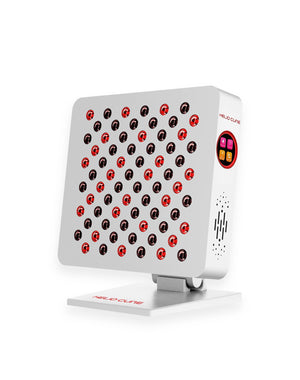
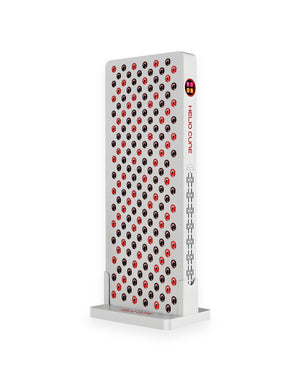

Red light therapy, a non-invasive photobiomodulation (PBM) approach using specific red and near-infrared wavelengths, is emerging as a scientifically-validated treatment for infectious diseases.
Research published in Lasers in Medical Science (2024) showed that 680 nm red light irradiation for 30-60 minutes (delivering 340-680 J) significantly inhibited MRSA colony growth compared to controls. A 2025 animal study demonstrated that dual red and near-infrared LED therapy (655/842 nm) markedly reduced MRSA biofilm formation in otitis media by downregulating key bacterial adhesion genes (fib, icaB, icaC, and icaD).
For dermatological infections, the Journal of the American Academy of Dermatology (2024) confirms PBM effectively treats conditions, including acne vulgaris and herpes simplex virus. These science-backed findings establish red light therapy as a promising alternative or adjunct to conventional antimicrobial treatments across multiple infectious disease categories.
To get effective results, the patient needs to follow short daily sessions (10-20 minutes) for acute infections like cold sores, or 3-5 weekly sessions for chronic issues like toenail fungus. Always wear goggles, avoid active burns, and consult a doctor if pregnant or on photosensitizing medications. Position the device 6-12 inches from clean skin and follow manufacturer guidelines.
In this guide, we cover how RLT can treat toenail fungus, nail fungus, athlete’s foot, fungal infections, candida, jock itch, cold sores, herpes simplex virus (HSV-1 and HSV-2), genital herpes, shingles nerve pain, herpes zoster, COVID-19, staph infection, tinea versicolor, and molluscum contagiosum. It also states things you should know before using RLT for infectious diseases, how RLT helps, tips to choose the right device, frequency of usage, precautions, whether treatment can happen at home, the timeframe for improvements, and other potential concerns it can treat.
The purpose of the piece is to educate readers who suffer from infectious diseases on the ways red light therapy can help as a supportive treatment.

1. Toenail Fungus
Toenail fungus is a stubborn infection causing thick, discolored nails in up to 5.5% of the global population.
The two-step photodynamic therapy (PDT) process begins by applying a photosensitizing gel (e.g., Toluidine blue) to the nail for 5 minutes. After incubation, a specific light wavelength (635 nm) activates the gel for 10 minutes to release reactive oxygen species that destroy fungal cell walls.
Device Type
RLT devices with 635nm red wavelengths work the best. You can also consider combining 405nm violet light therapy for improved results.
Wavelength and Intensity Settings
Effective protocols use 635-645nm red light and 100 mW/cm2 intensity. One study applied a 635nm diode laser for 10 minutes at 37 J/cm². Treatment typically requires 3-8 sessions.
Results
A 2025 randomized trial showed a 94.1% clinical cure rate with laser/PDT, significantly higher than 53.3% with topical antifungals. Healing time averaged just 3.6 months with PDT, versus 9.2 months with standard care. Another case series achieved 100% clinical and mycological cure across all patients.
A systematic review confirms PDT reduces infection severity by 30-90% and achieves mycological cure rates up to 100% when combined with other treatments. Unlike oral antifungals, PDT presents minimal risk of liver toxicity or drug interactions.
2. Nail Fungus
Nail fungus is a chronic infection causing thickened, discolored nails, affecting 4% of the general population globally.
Treatment typically begins with a pretreatment using 40% urea or a fractional laser to soften the nail plate. A photosensitizer like methylene blue is then applied. After a short incubation, the area is exposed to red light, activating the solution to produce reactive oxygen species that destroy fungal cells.
Device Type
Clinical systems use a 635nm red LED lamp for activation.
Wavelength and Intensity Settings
Effective PDT protocols use 635nm red light at 37 J/cm² power density, with an irradiance of 70 mW/cm² for 10 minutes per session. Treatment typically requires 3-9 sessions over 16 weeks.
Results
A 2025 RCT showed a 94.1% clinical cure rate with laser/PDT, with healing averaging just 3.6 months. Mycological cure rates of up to 70% have been reported at 40-week follow-up.
A 2025 systematic review confirms that aPDT significantly reduces onychomycosis severity by 30-90%, with mycological cure rates up to 100% when combined with other treatments. Unlike oral antifungals, PDT offers a favorable safety profile without liver toxicity concerns.
3. Athlete’s Foot
Athlete's foot is a common fungal infection affecting the feet, with 60% of tinea pedis patients achieving initial mycological cure after PDT treatment.
Treatment typically involves applying a photosensitizer like methylene blue or 5-aminolevulinic acid (ALA) to affected skin for 4-5 hours under occlusion. The area is then exposed to specific wavelengths of light, activating the solution to produce reactive oxygen species that destroy fungal cell walls.
Device Type
Diode lasers (450-700 nm) and broad-band red light sources (570-670 nm) are commonly used.
Wavelength and Intensity Settings
Effective protocols use 630-670nm red light at 100 mW/cm2 intensity and 75 J/cm² power density. Treatment typically requires 1-4 sessions, with a 4-week follow-up to assess recurrence.
Results
A 2010 evidence-based evaluation of 63 patients showed 60% mycological cure for tinea pedis after 1-3 treatments, though only 30% maintained healing at 8-week follow-up. Foot-interdigital mycoses achieved 66.7% clinical and microbiological recovery after 1-4 treatments.
A 2020 systematic review confirmed that methylene blue PDT achieves superior results with complete cure rates of 70-80%.
A 2025 update confirms that aPDT demonstrates antifungal activity against both susceptible and resistant strains, showing favorable clinical outcomes and overall safety.
4. Fungal Infections
Fungal infections affect millions worldwide, with superficial mycoses among the most prevalent conditions requiring effective treatment.
Antimicrobial photodynamic therapy (aPDT) involves applying a photosensitizer (PS) to the infected area, followed by exposure to specific light wavelengths. This combination generates reactive oxygen species that selectively destroy fungal cells, including drug-resistant strains.
Device Type
Clinical systems include diode lasers (450-700nm) and LED devices. The AF Laser combines 405nm violet and 635nm red wavelengths for comprehensive antifungal action.
Wavelength and Intensity Settings
Effective protocols use 635-670nm red light at 100 mW/cm2 intensity and 20-100 J/cm² power density. Treatment typically requires multiple sessions spaced 1-4 weeks apart.
Results
aPDT demonstrates antifungal activity against both susceptible and resistant strains, showing favorable clinical outcomes and overall safety. Studies confirm effectiveness against dermatophytes, Candida spp., and other pathogenic fungi.
The global burden of fungal infections affects up to 25% of the global population, with conventional treatments limited by adverse effects, toxicity, and antifungal resistance. PDT offers a valuable alternative without selecting drug-resistant strains.
5. Candida
Oral candidiasis is a common fungal infection caused predominantly by Candida albicans, affecting approximately 2 million people worldwide annually.
Red light photodynamic therapy (PDT) involves applying a photosensitizer such as methylene blue, toluidine blue, or Photodithazine® to the infected site for 5-20 minutes. After incubation, exposure to red light induces the production of reactive oxygen species, which disrupt fungal cell membranes and biofilm structures. For denture stomatitis, successive PDT applications (10 treatments) achieve a significant log reduction.
Device Type
Red light devices (630-700 nm), including diode lasers and LED arrays, are used with photosensitizers like methylene blue (MB), toluidine blue O (TBO), Photodithazine® (PDZ), and Radachlorin®.
Wavelength and Intensity Settings
Methylene blue (50-600 µM) activated by 660 nm red light at 18-60.4 J/cm² with 30-100 mW/cm² intensity requires 5-minute incubation plus 10-30 minute illumination. Photodithazine® (25-200 mg/L) uses 660 nm LED at 18-50 J/cm². Toluidine blue O (44-50 µM) with 630-660 nm red light at 18-175.2 J/cm² shows a significant fungicidal effect.
Results
Successive aPDT applications achieve reduction in C. albicans biofilms. TBO-mediated PDT (0.05 mg/mL, 18 J/cm²) demonstrates a complete fungicidal effect on planktonic cells. For fluconazole-resistant strains, ZER+PDZ-aPDT shows (30%) reduction in CFU counts, with 68% reduction in water-soluble polysaccharides and 60% reduction in eDNA.
6. Jock Itch
Jock itch is a common superficial fungal infection affecting the groin area, with promising results from photodynamic therapy.
After applying a photosensitizer to the affected skin, it’s exposed to specific light wavelengths. This generates reactive oxygen species that destroy fungal cell walls and hyphae.
Device Type
Clinical systems use broadband red light sources (570-670 nm) or diode lasers for activation.
Wavelength and Intensity Settings
Effective protocols use 630-670nm red light and 100 mW/cm2 intensity. Treatment typically requires 1-3 sessions, with follow-up to assess recurrence.
Results
A systematic review of superficial mycoses showed PDT of tinea cruris (n=10 patients) achieved a promising effect as salvage therapy. Methylene blue photosensitizer demonstrates superior efficacy compared to other agents.
7. Cold Sores (Herpes Labialis)
Recurrent herpes labialis (RHL) is one of the most common herpes simplex virus type 1 infections, affecting millions worldwide.
Photodynamic therapy (PDT) offers numerous advantages in cold sore treatment, including reduction of remission time without causing viral resistance. A photosensitizer is applied, followed by laser activation to destroy infected cells.
Device Type
A completed clinical trial (NCT04037475) investigated PDT for herpes labialis using specialized light sources. Treatment parameters follow established protocols for optimal viral inactivation.
Wavelength and Intensity Settings
Effective protocols use 650-660 nm red light at 24-120 J/cm² energy density with 50-100 mW/cm2 intensity and 40-100 mW power output. The aPDT + PBMT protocol applies laser to each spot for 120 seconds. Follow-up continues at 7 days, 1 month, 3 months, 6 months, and 1 year.
Results
A 2025 randomized controlled trial showed the aPDT + PBMT group significantly outperformed the control in reducing pain intensity at 48 hours (p = 0.041) and achieved faster healing (p = 0.001).
Previous studies confirm that PDT effectively treats herpes simplex labialis in the macule and vesicle phases. The therapy reduces remission time and prevents recurrence compared to conventional acyclovir treatment.
8. Herpes Simplex Virus (HSV-1 and HSV-2)
Herpes simplex virus infections affect an estimated 3.8 billion people under age 50 (67% globally) with HSV-1, and 520 million people aged 15-49 (13%) with HSV-2.
Red light photodynamic therapy (PDT) employs a photosensitizer, such as methylene blue (MB), at low concentrations (1-10 µM), applied to the infected site. Following incubation, exposure to specific red light wavelengths generates reactive oxygen species that damage viral DNA and completely block DNA replication without necessarily damaging the viral envelope.
Device Type
Clinical red light devices include diode lasers (660 nm) with 100 mW power output. LED arrays and specialized light sources deliver appropriate wavelengths for photosensitizer activation. Treatment parameters follow established protocols for optimal viral inactivation.
Wavelength & Intensity Settings
Optimal protocols use 660 nm red light at 10-30 J/cm² energy density with 50-100 mW/cm2 intensity and a 100 mW power output for 50-150 seconds of exposure time. Methylene blue concentrations of 0.001-0.01% are commonly studied. A 1997 study demonstrated that MB concentrations as low as 1 µM with red light illumination effectively inactivated HSV-1.
Results
Optimal photosensitizer concentration and red light irradiation achieve 100-1000× (2-2.5 log₁₀) reduction in HSV-1 titers and 10× (1.5 log₁₀) reduction in HSV-2 titers. It prevents recurrent herpes virus infection.
9. Genital Herpes
Frequent recurrence of genital herpes imposes significant physical and psychological burdens, with existing treatments often ineffective in preventing recurrence.
Photodynamic therapy (PDT) is applied to active lesions using a photosensitizer followed by light activation. Treatment aims to reduce healing time and delay future recurrences.
Device Type
Clinical systems use specialized PDT devices, as studied at Daping Hospital from July 2020 to May 2024.
Wavelength and Intensity Settings
Use 630 nm red light with 50-100 mW/cm2 intensity and 5-ALA (0.1 g/ml) achieved significant viral reduction in genital herpes. Frequency must be set after speaking to a professional.
Results
The non-PDT group exhibited slower healing (7.2 days) compared to the PDT group (5.4 days). A significant difference was observed in recurrence rates: 37.5% in the PDT group versus 71.4% in the non-PDT group after propensity score matching. The restricted mean survival time was 9.94 days in the PDT group versus 5.13 days in controls.
A 2024 study demonstrated PDT effectively reduced lesion recovery time and delayed recurrences of genital herpes. Researchers recommend considering PDT as a potential treatment option for patients with recurrent genital herpes.
10. Shingles Nerve Pain (Post-Herpetic Neuralgia)
Post-herpetic neuralgia (PHN) is a chronic pain condition following shingles, where phototherapy offers significant relief during the acute phase.
Photobiomodulation (PBM) therapy delivers red and near-infrared light to affected nerve pathways, reducing neuropathic pain by enhancing mitochondrial activity, reducing oxidative stress, and modulating inflammatory pathways without causing thermal damage. For acute herpes zoster, LED phototherapy combined with antivirals shortens lesion healing time and reduces pain.
Device Type
Red light (630-660 nm) and near-infrared (810-850 nm) LED arrays or laser devices are used to treat affected dermatomes.
Wavelength and Intensity Settings
A 2023 prospective study used 630 nm red light LED phototherapy with 50-100 mW/cm2 intensity combined with acyclovir for herpes zoster patients. A treatment for 2 sessions per week for 2 weeks works the best. Animal studies demonstrate efficacy with 850 nm near-infrared at 2 minutes per session, 3 times weekly.
Results
A 2023 study published in Lasers in Medical Science confirms LED red light (630 nm) combined with acyclovir effectively shortens herpes zoster course, relieves pain, and reduces PHN incidence. A 2025 systematic review confirms PBM significantly reduces pain scores in neuropathic conditions.
11. Herpes Zoster (Shingles)
Herpes zoster results from varicella-zoster virus reactivation, causing painful vesicular eruptions along dermatomes, affecting 20-30% of people during their lifetime.
Red light therapy delivers specific wavelengths to affected dermatomes, reducing inflammation, accelerating lesion healing, and relieving acute pain. When combined with antiviral medication, red light therapy shortens the disease course and reduces the incidence of postherpetic neuralgia (PHN).
Device Type
Clinical systems use red light (630-660 nm) LED arrays or laser devices. Studies have investigated both red light (630 nm) and golden light (590 nm) sources, with golden light showing superior efficacy for certain outcomes. Use at an intensity of 50-100 mW/cm2. High-energy red light devices are also used in clinical settings.
Wavelength & Intensity Settings
A 2023 study used 630 nm red light LED phototherapy combined with acyclovir, with treatments administered daily. A 2024 study employed high-energy red light (wavelength not specified in abstract) at an energy density achieving significant clinical improvement (P < 0.05). Treatment protocols typically involve multiple sessions according to professional guidance during the acute phase.
Results
Red light (630 nm) combined with acyclovir significantly reduced herpes stopping time, incrustation time, and decrustation time (P < 0.05) compared to antivirals alone. The red light group achieved 77.78% total effective rate, while the golden light group achieved 88.89%.
A 2024 study of 90 elderly patients found valacyclovir, pregabalin, and mecobalamin combined with high-energy red light achieved 86.67% effective rate versus 66.67% with drugs alone (P < 0.05).
12. COVID-19: Post-COVID Symptoms
Post-COVID syndrome affects millions with persistent fatigue and brain fog, requiring innovative management approaches.
Photobiomodulation (PBM) therapy delivers red and near-infrared light to affected tissues, improving mitochondrial function and cognitive symptoms in long COVID patients.
Device Type
Two PBM devices were studied: a helmet (1070 nm) for transcranial (tPBM) and a light bed (660 and 850 nm) for whole body (wbPBM).
Wavelength and Intensity Settings
Ideal wavelengths and intensities are 660 and 850 nm and 50-100 mW/cm2. A 4-week period with 12 treatments helps.
Results
A 2023 study outlines the benefits of utilizing PBM therapy (transcranial or whole-body) to help treat long-COVID brain fog.
13. Staph Infection (Surface-level, localized)
Surface-level Staphylococcus aureus infections increasingly show antibiotic resistance, driving interest in alternative approaches.
Antimicrobial photodynamic therapy (aPDT) using aluminum chloride phthalocyanine encapsulated in nanoemulsion (NE/ClAlPc) targets multidrug-resistant S. aureus through reactive oxygen species generation.
Device Type
Specialized red light devices deliver wavelengths that match the absorption peaks of phthalocyanine photosensitizers. Both diode lasers and LED arrays with appropriate wavelengths are used for activation.
Wavelength and Intensity Settings
Ideal wavelengths are 625 and 670 nm, and intensities are 30-50 mW/cm2. Treatment continues for as long as recommended by professionals.
Results
A 2025 study confirms that NE/ClAlPc-mediated aPDT demonstrates potent antibacterial and antibiofilm activity against multidrug-resistant S. aureus, significantly reducing wound areas and promoting healing. NE/ClAlPc-mediated aPDT inhibited bacterial growth, stimulated fibroblast migration, and accelerated wound healing. This treatment shows promise as an alternative for eradicating multidrug-resistant bacteria.
14. Tinea Versicolor
Tinea versicolor is a common superficial fungal infection (Malassezia infections) causing discolored skin patches, with PDT offering effective treatment.
A photosensitizer is applied to affected skin, followed by activation with specific light wavelengths. Reactive oxygen species destroy the Malassezia fungi responsible for the condition.
Device Type
Broad-band light sources or diode lasers delivering appropriate wavelengths for photosensitizer activation are used.
Wavelength and Intensity Settings
Protocols use RLT at 630 nm and at an intensity of up to 100 mW/cm2. Treatment of 10 minutes per session for 6 sessions at 2-week intervals give best results.
Results
A systematic review confirmed PDT of Malassezia infections (n=9) achieved a promising effect as salvage therapy. Skin pigmentation gradually normalizes post-treatment.
PDT offers advantages, including effectiveness as salvage therapy in the light of increasing antifungal resistance.
15. Molluscum Contagiosum
Molluscum contagiosum is a viral skin infection caused by the molluscum contagiosum virus (MCV), primarily affecting children and immunocompromised individuals.
Photodynamic therapy applies a photosensitizer to lesions, followed by light activation. Reactive oxygen species destroy virus-infected cells while sparing surrounding healthy tissue. Daylight-photodynamic therapy (DL-PDT) using methylene blue involves applying topical MB liposomal loaded 10% cream under occlusion for 15 minutes, followed by daylight exposure for 90-120 minutes.
Device Type
Red light sources combined with topical photosensitizers like 5-aminolevulinic acid (ALA) are commonly used. The Erchonia laser (low-level violet light therapy) has also demonstrated effectiveness in treating MC lesions.
Wavelength and Intensity Settings
A wavelength of 585 nm is suitable. Treatment sessions are performed at 2-4 week intervals until complete clearance. For children, a topical anesthetic (EMLA cream) is applied 30-60 minutes prior to treatment to minimize discomfort.
Results
A 2023 clinical study of 20 patients showed excellent response in 65% (complete clearance), very good response in 15%, and good response in 10%. Of 313 total lesions, 66.5% showed a complete response, 25.2% partial response, and only 8.3% no response. No relapse was detected during the 6-month follow-up.
A 2024 systematic review confirms PDT effectively treats viral skin diseases, including molluscum contagiosum. PDT inhibits the proliferation of virus-infected cells, induces apoptosis, and controls viral loads. For HIV-coinfected patients, 5-ALA PDT shows a substantial reduction in lesional count and severity. PDT is distinguished by non-invasiveness, selectivity for target tissue, fewer side effects, and excellent cosmetic results, making it effective for children and immunocompromised patients.
What should You Know about Using Red Light Therapy for Infectious Diseases?
Before beginning RLT to treat infectious diseases, learn about the mechanism of RLT, choosing the right device, the right frequency, precautions, whether it can be taken at home, the timeline for improvements, and other conditions it treats.
How does Red Light Therapy Work for Infectious Diseases?
Red light therapy uses specific wavelengths of light to influence cellular activity. For infectious diseases, the proposed mechanism involves a bacteriostatic, or bacteria-inhibiting, effect.
Research on methicillin-resistant Staphylococcus aureus (MRSA) shows that exposure to 680 nm red light can significantly reduce bacterial colony growth. The theory is that light energy is absorbed by cellular components, potentially increasing reactive oxygen species, which can be harmful to bacteria.
This process is distinct from its anti-inflammatory effects, which help reduce swelling and promote tissue healing in affected areas, aiding recovery from skin-based infections like acne or cutaneous leishmaniasis.
How to Choose the Right Red Light Device for Infectious Diseases?
To choose the right RLT device for infectious disease, consider the wavelengths, energy output, FDA clearance, verification, and build quality as explained below:
- It must include wavelengths of 630-660nm (red) for antibacterial effects and 810-850nm (NIR) for deeper tissue penetration.
- Look for specified irradiance (mW/cm²) to ensure you can achieve therapeutic doses (e.g., 40-80 J/cm²) in reasonable session times.
- Look for "FDA Cleared," not "FDA Approved." This verifies the device meets safety standards and is legally marketed for specific uses like acne or pain relief.
- Search the FDA's 510(k) database to confirm the device's actual intended use statement and clinical backing.
- Ensure uniform LED spacing (to avoid hot spots) and check for ISO 13485 certification for manufacturing quality.
How Frequently should You use Red Light Therapy for Infectious Diseases?
Treatment frequency for infectious diseases varies by condition. The recommendations for bacterial skin infections, other infectious skin conditions, and at-home general wellness and skin health are explained below:
- For bacterial skin infections like acne, clinical protocols involve short sessions (10-20 minutes per area) performed 2-3 times per week
- For other infectious skin conditions, such as warts or leishmaniasis, professional treatments are typically administered once weekly.
- For at-home general wellness and supporting skin health during an infection, a common recommendation is 3-5 sessions per week, with each session lasting between 10 and 20 minutes per treated area.
What Precautions should You take Before Red Light Therapy?
Here are the key precautions to take before using red light therapy for infectious diseases:
- Always seek medical advice before starting RLT, especially if you have a diagnosed infectious disease, to ensure it is appropriate for your specific condition and won't interfere with other treatments.
- Do not use RLT if you have a current or past history of skin cancer or any malignancy in the treatment area, as light therapy could potentially stimulate growth.
- RLT is not recommended during pregnancy or while breastfeeding due to a lack of comprehensive safety research in these populations.
- Avoid applying RLT directly over active burns, open wounds, or undiagnosed skin lesions, as it may exacerbate these conditions.
- If you are taking any medications that cause photosensitivity (make you sensitive to light), you should avoid RLT unless explicitly cleared by your doctor.
- Always wear the provided, opaque protective goggles to prevent potential retinal damage from the intense light, as standard sunglasses are insufficient.
- Individuals with darker skin tones should start with shorter sessions due to a slightly higher risk of hyperpigmentation or burns.
- Be aware that skin may be temporarily more sensitive to UV damage after RLT, so apply effective sun protection to treated areas.
Can You Take Red Light Therapy at Home?
Yes, you can use red light therapy at home, and it has become increasingly popular and accessible for this reason. To do so, you will need an at-home RLT device, such as a panel or mask, that meets the safety and wavelength criteria discussed earlier. You also need a clean space where you can sit or lie down comfortably for 10-20 minutes while the device is positioned over the target area. Essential accessories include protective eyewear (goggles) to prevent eye strain or damage. Most importantly, your device must be plugged into a power source during use, as at-home units require constant power to operate.
How Long does it take to See Improvements?
The timeline for seeing improvements with red light therapy for infectious diseases varies significantly depending on the specific condition being treated, with acute bacterial skin infections potentially showing results within 5-7 days of daily treatment, while more chronic or complex infectious conditions like warts or cutaneous leishmaniasis typically require weekly professional sessions over several weeks (often 3-7 sessions) to achieve resolution.
For general skin health and noticeable changes in infection-related symptoms, consistent use over four to six weeks is often required to see significant and cumulative benefits, though some individuals may experience immediate improvements in skin brightness or reduced inflammation after the first few sessions.
What Other Conditions Can Red Light Therapy Treat?
Beyond infectious diseases, red light therapy is widely used for a variety of other health and aesthetic conditions. It is renowned for its skin-rejuvenation benefits, including reducing fine lines, wrinkles, and scars by boosting collagen production. It can also support hair growth in cases of androgenic alopecia. For therapeutic applications, evidence-based guidelines support its use for treating pain from diabetic foot ulcers, other wound ulcers, and peripheral neuropathy. Additionally, it is used to manage inflammation and pain in conditions like acne, rosacea, and for acute radiation dermatitis, as well as for deeper muscle and joint recovery, particularly with near-infrared light.
References
- https://researchmap.jp/shige-naka/published_papers/48307720
- https://www.citeab.com/publication/40332099-40893784-dual-red-and-near-infrared-led-therapy-inhibits-mrs
- https://www.sciencedirect.com/science/article/pii/S0190962224001877
- https://clinicaltrials.gov/study/NCT02588599
- https://pmc.ncbi.nlm.nih.gov/articles/PMC11901087/
- https://www.mdpi.com/2036-7481/16/2/51
- https://pubmed.ncbi.nlm.nih.gov/40389084/
- https://pubmed.ncbi.nlm.nih.gov/41024682/
- https://docta.ucm.es/rest/oai/request?verb=GetRecord&metadataPrefix=qdc&identifier=oai:docta.ucm.es:20.500.14352/118828
- https://pubmed.ncbi.nlm.nih.gov/38606891/
- https://www.springermedizin.de/urea-versus-fractional-er-yag-laser-pretreatment-of-methylene-bl/23658344
- https://digital.csic.es/dspace-oai/request?verb=GetRecord&metadataPrefix=marc&identifier=oai:digital.csic.es:10261/288347
- https://pubmed.ncbi.nlm.nih.gov/20526681/
- https://pubmed.ncbi.nlm.nih.gov/15144392/
- https://pubmed.ncbi.nlm.nih.gov/40572295/
- https://pubmed.ncbi.nlm.nih.gov/32339671/
- https://pubmed.ncbi.nlm.nih.gov/33652865/
- https://pubmed.ncbi.nlm.nih.gov/39818406/
- https://pubmed.ncbi.nlm.nih.gov/41179197/
- https://pubmed.ncbi.nlm.nih.gov/40915516/
- https://pubmed.ncbi.nlm.nih.gov/33039543/
- https://pubmed.ncbi.nlm.nih.gov/23494101/
- https://pubmed.ncbi.nlm.nih.gov/39956310a
- https://aging.networkofcare.org/sanmateo/CommunityResources/ClinicalTrials/Detail/NCT04037475
- https://pubmed.ncbi.nlm.nih.gov/40346266/
- https://pubmed.ncbi.nlm.nih.gov/19382840/
- https://pmc.ncbi.nlm.nih.gov/articles/PMC12128767/
- https://pubmed.ncbi.nlm.nih.gov/9356656/
- https://www.sciencedirect.com/science/article/pii/S57210002400423X
- https://pubmed.ncbi.nlm.nih.gov/39427686/
- https://www.sciencedirect.com/science/article/pii/S157210002400423X
- https://www.medscape.com/medline/abstract/37407742
- https://pubmed.ncbi.nlm.nih.gov/40663207/
- https://pubmed.ncbi.nlm.nih.gov/37407742/
- https://pubmed.ncbi.nlm.nih.gov/41091232/
- https://www.sylnyx.com/EN/abstract/abstract12874.shtml
- http://wfshuju.meddata.com.cn:20030/wanfang-med/Paper/Detail?id=PeriodicalPaper_sylnyx202409010&dbid=WF_Q
- https://pubmed.ncbi.nlm.nih.gov/37018063/?dopt=Abstract
- https://pubmed.ncbi.nlm.nih.gov/38145771/
- https://pubmed.ncbi.nlm.nih.gov/27419618/
- https://link.springer.com/article/10.1007/s12223-025-01348-3
- https://pmc.ncbi.nlm.nih.gov/articles/PMC12196149/
- https://academic.oup.com/qjmed/article/116/Supplement_1/hcad069.212/7248142?searchresult=1
- https://pmc.ncbi.nlm.nih.gov/articles/PMC10393378/
- http://www.pifukezazhi.com/EN/Y2019/V52/I3/195
- https://onlinelibrary.wiley.com/doi/full/10.1111/j.1610-0387.2007.06556.x
- https://pubmed.ncbi.nlm.nih.gov/39611415/
- https://link.springer.com/article/10.1007/s1010324-04206-9