



Red Light Therapy (RLT), or photobiomodulation, can cut recovery times from common injuries nearly in half. By delivering specific wavelengths of red and near-infrared light into your tissues. This non-invasive treatment works by energizing cellular mitochondria, boosting your cells' natural repair processes, reducing inflammation, and improving blood flow where it's needed most.
A 2016 study of 395 injuries in university athletes found that RLT slashed the average "return-to-play" time from an expected 19.23 days down to just 9.6 days, which is a dramatic 50% acceleration in healing.
This technology isn't just for pro athletes. It offers powerful benefits across a spectrum of injuries. Another 2024 study confirms it actively promotes collagen synthesis and cellular repair for cuts and post-surgical wounds.
From stubborn tendonitis and ligament sprains to muscle strains and post-workout soreness, RLT provides a scientifically backed, drug-free method to accelerate your body's natural healing timeline. The following 15 injuries are where the clinical evidence is strongest for using red light to heal faster and more completely.
In this article, we’ll share how RLT provides a scientifically backed, drug-free method to accelerate your body's natural healing timeline for 15 injuries, namely wound healing and tissue repair, diabetic wound care, post-surgery healing, wound inflammation reduction, muscle injury recovery, ligament injuries, tendinitis recovery, rotator cuff injuries, frozen shoulder, knee injuries, Achilles tendon injuries, sciatica, soft tissue swelling, and post-workout muscle recovery.
It further states things you must know before using RLT, how to choose the right device, the appropriate usage frequency, the possibility of taking it at home, the timeframe for results, and other conditions it helps with. In summary, this think-piece is focused on helping readers use the right RLT device to heal from a variety of injuries.

1. Wound Healing & Tissue Repair
Accelerating wound healing is one of the most common benefits of red light therapy (RLT). It speeds recovery from cuts, scrapes, surgical incisions, and burns by enhancing the body's natural cellular repair processes.
When specific wavelengths of red or near-infrared light penetrate the skin, they are absorbed by mitochondria within your cells. This stimulates adenosine triphosphate or ATP production, fueling faster tissue regeneration. This reduces damaging inflammation and increases blood flow to deliver more oxygen and nutrients to the wound site.
Which Device to Use
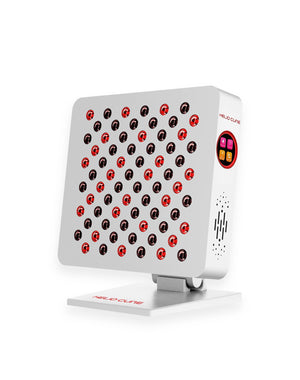
For targeted wound care, a flexible LED panel or pad that can conform to the body's contours is ideal. Professional-grade at-home LED devices are designed for this purpose and provide a safe, effective alternative to clinical laser systems. These deliver a broad, uniform light field perfect for covering an injury.
Wavelength & Intensity Setting
For comprehensive healing, combine 660 nm red light to stimulate surface tissue and collagen with 880 nm near-infrared light for deeper penetration to muscles and connective tissue.
An effective at-home protocol uses a power density of 20-60 mW/cm² for 10-20 minute sessions, ideally applied daily or every other day in the initial healing phase.
Before & After Results
RLT can increase tensile strength in wounds and accelerate wound closing, drastically reducing the appearance of scars. In post-surgery recovery, patients using RLT experienced significantly less pain and fewer wound complications. Consistent use leads to cleaner, faster healing with minimized scarring.
2. Diabetic Wound Care
Diabetic wounds, often seen as foot ulcers (DFUs), are chronic, non-healing injuries. Standard care is insufficient, highlighting the need for effective adjunctive treatments.
RLT delivers specific red and near-infrared light wavelengths to the wound area. This light is absorbed by cellular mitochondria, boosting energy (ATP) production. The energy accelerates healing, reduces damaging inflammation, stimulates the formation of new blood vessels (angiogenesis) to improve blood flow, and promotes collagen synthesis and fibroblast activity for tissue rebuilding.
For diabetic wounds, this directly counteracts the poor circulation and impaired cellular function that delay healing.
Which Device to Use
For diabetic wound care, use medical-grade LED panels or laser devices that can be positioned over the foot. Flexible LED pads that contour to the body are also effective.
Wavelength & Intensity Setting
Clinical protocols combine red (660 nm) and near-infrared (830 nm) light for comprehensive tissue penetration. A 2024 clinical trial on DFUs used a combination of 630 nm and 810 nm lasers, with a power density of 35.65 mW/cm², delivering an energy density of 64.17 J/cm² per session. Treatments are usually administered 3 times per week for several weeks.
Before & After Results
RLT can nearly double the ulcer healing rate and reduce healing time compared to standard care alone. It can also reduce ulcer area and ulcer depth with consistent treatment sessions.
3. Post-Surgery Healing
Red light therapy helps in recovery after surgery by enhancing the body's natural cellular repair and collagen production. This leads to faster healing, reduced pain, less swelling, and minimized scarring.
The process involves delivering specific red and near-infrared wavelengths to the surgical site. This light energy penetrates tissue and is absorbed by mitochondria within cells, significantly boosting their production of adenosine triphosphate (ATP). This stimulates fibroblasts to produce new collagen and elastin for tissue regeneration. It reduces damaging inflammation. It increases blood flow to deliver oxygen and nutrients needed for healing.
Which Device to Use
For home use, a flexible LED panel or pad is ideal, as it can contour to body parts like the knee, shoulder, or torso. Larger full-body panels are also suitable for systemic recovery.
Wavelength & Intensity Setting
Clinical protocols use red light (655 nm) combined with near-infrared (808 nm) for deeper penetration to muscles and connective tissue. An effective at-home regimen involves using it at 20-100 mW/cm2 intensity for 10-20 minute sessions per area, applied 3 to 5 times per week, starting as soon as the surgical cut is closed and stable.
Before & After Results
Red light therapy can cut post-surgery healing time by half. It improves scar pliability and appearance. Patients often experience significantly less post-operative pain, reduced swelling (edema), less reliance on pain medication, faster functional recovery, stronger wound closure, and scars that are less noticeable.
4. Wound Inflammation Reduction
Controlling excessive inflammation at a wound site is crucial for progressing to the repair phase. Red light therapy uses photobiomodulation to calm wound inflammation. When specific wavelengths are applied, the light penetrates the tissue and is absorbed by immune cells (like macrophages) and mitochondria. This process reduces the production of pro-inflammatory signaling molecules (cytokines) while increasing anti-inflammatory cytokines. It also helps resolve oxidative stress, shifting the wound environment from a state of chronic inflammation to one ready for tissue repair.
Which Device to Use
A flexible LED panel or pad that can contour around joints or body parts is ideal for targeting inflamed wounds.
Wavelength & Intensity Setting
For anti-inflammatory effects, a combination of red (630-660 nm) and near-infrared (808 nm) light is most effective. A common therapeutic protocol uses a power density of 20-100 mW/cm². Treatments are short, around 1-2 minutes per site, and can be applied daily or every other day during the acute inflammatory phase.
Before & After Results
The primary results are a visible and measurable reduction in classic signs of inflammation: reduced redness (erythema), heat, swelling (edema), and pain. There is a clear decrease in surface heat over the wound after treatment. This leads to less patient discomfort and creates the optimal cellular environment for faster progression to tissue regeneration and healing.
5. Muscle Injury Recovery
Muscle injuries, from strains to exercise-induced micro-tears, involve tissue damage and inflammation. It often leads to pain and delayed recovery.
Red light therapy (RLT) accelerates muscle recovery by delivering red and near-infrared light to the injured area. The absorption of light by mitochondria in muscle cells boosts the production of adenosine triphosphate (ATP), the fundamental cellular energy molecule.
This fuels the repair process, reduces inflammation, helps manage oxidative stress, and addresses the causes of delayed onset muscle soreness (DOMS).
Which Device to Use
For treating muscle injuries, a flexible LED panel or pad is ideal for home use, as it can contour to body parts like thighs or shoulders.
Wavelength & Intensity Setting
Effective treatment requires a combination of wavelengths: red light (660 nm) for more superficial tissue and near-infrared light (780 nm) for deeper penetration into muscles with an optimal intensity (irradiance) of 15-30 mW/cm² at the skin level. Under take sessions of 10-20 minutes per area, 2-4 hours post-exercise or post-injury.
Before & After Results
Consistent use can reduce DOMS, lower blood markers of muscle damage (like creatine kinase), increase muscle strength, and enhance endurance during recovery. Users often report significantly less soreness, faster return to normal function, and improved performance in training sessions.
6. Ligament Injuries
Ligament injuries are tears or sprains of the tough fibrous bands that connect bones to bones, commonly occurring in joints such as the knee, ankle, and shoulder.
The red and near-infrared light of RLT penetrates the skin and is absorbed by the mitochondria within cells, triggering a significant boost in cellular energy (ATP) production. This energy surge fuels the repair process, reduces damaging inflammation, improves circulation to the poorly vascularized ligament tissue, and stimulates the fibroblasts that produce collagen, the essential protein for rebuilding strong, flexible ligaments.
Which Device to Use
For ligament injuries, a flexible LED panel or pad that can contour around a joint like the knee or ankle is ideal for home use.
Wavelength & Intensity Setting
Use a combination of wavelengths: 660 nm (red) for shallow ligaments and 810-830nm (near-infrared) for deeper structures like the MCL. An effective intensity range is 15-25 mW/cm², with three 20-minute sessions on consecutive days, followed by a rest cycle.
Before & After Results
Research has noted improved fiber alignment in healing ligaments and a positive effect on collagen synthesis, leading to restored joint stability and function.
7. Tendinitis Recovery
Tendinitis is an inflammatory and painful overuse condition affecting tendons, often in the shoulder, elbow, or heel.
RLT treats tendinitis by delivering specific red and near-infrared wavelengths to the inflamed tendon. This light penetrates the tissue and is absorbed by cellular mitochondria, triggering a surge in adenosine triphosphate (ATP) production. This energy fuels the repair process, reduces local inflammation, stimulates fibroblast activity for collagen synthesis, and increases blood flow, addressing both pain and tissue damage.
Which Device to Use
A targeted LED panel, flexible wrap, or handheld device is ideal for home use, as it can be applied directly to common sites like the elbow, knee, or Achilles tendon.
Wavelength & Intensity Setting
Effective protocols use red light (630 nm) and near-infrared light (820-830 nm). Use at an intensity of 50 mW/cm² for a 20-minute session, applied 3-5 times per week for several weeks.
Before & After Results
Consistent use leads to reduced pain, improved function, reduced swelling and tenderness, and a quicker return to daily activities and exercise.
8. Rotator Cuff Injuries
A rotator cuff injury is a common source of shoulder pain and dysfunction. It often results from repetitive stress, acute trauma, or age-related degeneration. Red light therapy treats these injuries by using specific wavelengths of light to penetrate the shoulder tissue.
The light is absorbed by cellular mitochondria, boosting energy (ATP) production. This surge supports the repair process, reduces inflammation, and stimulates collagen synthesis, a key protein needed to heal damaged tendons.
Which Device to Use
For home use, a flexible LED panel or pad that can contour around the shoulder is ideal. These devices effectively cover the area and combine red and near-infrared wavelengths.
Wavelength & Intensity Setting
Effective protocols combine red (660 nm) and near-infrared (808 nm) light. A 2025 study on rotator cuff pathology used a 660 nm LED with an irradiance of 50 mW/cm² for 4-minute sessions, delivered 2-3 times per week.
Before & After Results
Users report reduced pain, increased range of motion, and a faster return to daily activities.
9. Frozen Shoulder
Frozen shoulder is characterized by progressive pain and stiffness in the shoulder joint. It results from the thickening and tightening of the joint capsule.
RLT treats frozen shoulder by using targeted light energy to reduce inflammation and break down adhesions in the joint capsule. The red and near-infrared light penetrates deep into the shoulder tissue, where it is absorbed by the mitochondria in cells. This absorption boosts cellular energy (ATP), promotes tissue repair, improves local circulation, and reduces pain.
Which Device to Use
A flexible LED panel or wrap that conforms to the shoulder's contours is ideal for home use. These devices allow for consistent coverage of the joint.
Wavelength & Intensity Setting
For deep-tissue conditions like frozen shoulder, near-infrared light (810-850 nm) is most effective. A common intensity range is 20-100 mW/cm², with treatment sessions lasting 10-20 minutes per area, repeated 3-5 times per week over several weeks.
Before & After Results
With consistent use, patients experience a noticeable reduction in pain and a gradual increase in shoulder range of motion. Many patients report regaining functional movement for daily activities within weeks.
10. Knee Injuries
Knee injuries, whether from osteoarthritis, ligament sprains, or post-surgery healing, can be treated by RLT. Red light therapy reduces inflammation and stimulates tissue repair at the cellular level.
It delivers specific wavelengths of red and near-infrared light to the knee. This light penetrates the skin and is absorbed by the mitochondria in muscle, ligament, and cartilage cells.
The primary effect is a significant boost in cellular energy (adenosine triphosphate or ATP) production, which fuels the repair processes, reduces damaging inflammation, blocks pain signals at the nerve level, and stimulates the release of endorphins, the body's natural painkillers.
Which Device to Use
For effective home treatment of knee injuries, a high-quality LED panel, pad, or wrap is the most practical choice.
Wavelength & Intensity Setting
For deep knee tissues, a combination of wavelengths is most effective. Red light (630-660 nm) benefits superficial tissues, while near-infrared light (780-860 nm) penetrates deeper to reach ligaments and muscles. A 2023 randomized controlled trial found that an 808 nm wavelength was particularly effective for improving knee extensor strength in individuals with osteoarthritis. A therapeutic irradiance (intensity) of 15-30 mW/cm² at the skin is recommended for sessions of 10-20 minutes.
Before & After Results
Users report significant reductions in pain and swelling, increased joint mobility, faster return to daily activities and exercise, accelerated healing, and reduced reliance on pain medication.
11. Achilles Tendon Injuries
Achilles tendon injuries range from chronic tendinopathy to acute tears and are notably slow to heal, often significantly impairing mobility.
Red light therapy (RLT) treats Achilles injuries by delivering specific wavelengths of red and near-infrared light to the tendon. This light is absorbed by cellular mitochondria, boosting energy (ATP) production to fuel the repair process. It reduces inflammation and improves blood flow to the area. Further, it stimulates the collagen-producing fibroblasts essential for rebuilding the damaged tendon structure.
Which Device to Use
For home treatment, an LED panel or flexible pad is the most practical choice. These devices can easily cover the back of the ankle and calf.
Wavelength & Intensity Setting
For deep tissues like the Achilles tendon, use near-infrared wavelengths between 810-830 nm. A moderate intensity of 10-30 mW/cm² is recommended, delivering an energy dose of 4-10 J/cm² per session. A typical protocol involves 3 nonconsecutive sessions per week for 4-6 weeks, aligned with the tendon's slow-healing cycle.
Before & After Results
RLT can speed recovery and reduce pain when combined with rehabilitation. For chronic tendinopathy, RLT and reduced exercise can lead to significant long-term functional improvement. A 2022 study on acute ruptures found that while RLT did not significantly improve final functional scores, it did provide better pain relief during walking in the rehab phase.
12. Sciatica
Sciatica is a painful condition resulting from compression or irritation of the sciatic nerve, causing sharp or burning pain that radiates from the lower back down the leg.
RLT applies specific wavelengths of red and near-infrared light are applied along the path of the nerve in the lower back, buttocks, and leg. This light penetrates tissues and is absorbed by cellular mitochondria, boosting energy (ATP) production. This process reduces inflammation around the nerve, improves local blood flow, supports nerve repair, and helps block pain signals.
Which Device to Use
For effective at-home treatment, a flexible LED therapy pad or panel that can contour to the lower back, hip, and leg is ideal. Larger panels or pads provide comprehensive coverage. Wavelength & Intensity Setting
Use a combination of 633 nm (red) and 830 nm (near-infrared). Intensity between 30 and 100 mW/cm2 is useful. A standard protocol involves sessions of 10-15 minutes per area, positioned 6 inches from the skin, repeated 3-5 times weekly.
Before & After Results
With consistent use, improvements are seen within 2-12 weeks. Early relief often includes reduced pain and muscle tightness.
13. Shin Splints
Shin splints (medial tibial stress syndrome) are a common overuse injury causing pain along the inner shinbone, driven by repetitive impact and micro-tears in muscles and connective tissues.
RLT treats shin splints by penetrating the tissue with specific wavelengths of light. This energy is absorbed by cellular mitochondria which respond by producing more adenosine triphosphate (ATP). With this energy boost, cells can accelerate repair, reduce damaging inflammation, improve local blood flow, and address the micro-damage at the core of shin splints.
Which Device to Use
A practical choice for home treatment is a handheld LED wand or a small, flexible LED panel that can be placed directly against the shin. These devices allow for targeted application over the painful inner tibial area.
Wavelength & Intensity Setting
For shin splints, a near-infrared wavelength of 830 nm is strongly supported by clinical research for its ability to penetrate deeper tissues at an intensity of 50 mW/cm² over a 20-minute treatment period. Start with three consecutive daily sessions.
Before & After Results
A pilot study of university athletes with various sports injuries (including strains and sprains relevant to shin splints) found that those receiving light therapy had an average return-to-play time of 9.6 days, compared to a historically expected 19.23 days with conventional care alone. It effectively cut recovery time roughly in half. Users report reduced pain and tenderness with consistent treatment, allowing a quicker return to activity.
14. Soft Tissue Swelling
Soft tissue swelling, or edema, is the accumulation of fluid in muscles and surrounding tissues following an injury, leading to pain, stiffness, and impaired healing.
Red light therapy addresses swelling through specific red and near-infrared wavelengths that penetrate the skin and are absorbed by the mitochondria in cells. This stimulates a boost in adenosine triphosphate (ATP) production, the cellular energy molecule.
The increased energy improves cell function, reduces the inflammatory response that causes fluid buildup, and enhances lymphatic drainage, helping the body reabsorb excess fluid more efficiently.
Which Device to Use
For targeted treatment of swelling, a flexible LED panel or pad is ideal as it can wrap around a limb or contour to a joint. Handheld wands are also effective for smaller areas.
Wavelength & Intensity Setting
A combination of red (685 nm) and near-infrared (810-850 nm) light is most effective. A therapeutic intensity of 20-100 mW/cm² is common. Sessions are short, around 5-10 minutes per area, and can be applied 1-2 times daily during the acute swelling phase, often starting within the first 48 hours post-injury.
Before & After Results
The primary goal is a visible and measurable reduction in swelling (edema). Users report less tightness, pain, and improved range of motion. Faster resolution of swelling also helps accelerate the overall healing timeline by progressing more quickly to the repair phase.
15. Post-Workout Muscle Soreness
Post-workout muscle soreness, also known as delayed onset muscle soreness (DOMS), is the muscle pain, stiffness, and tenderness that peaks 24-72 hours after intense or unfamiliar exercise, caused by microscopic damage to muscle fibers and subsequent inflammation.
Red light therapy (RLT) alleviates DOMS via photobiomodulation. When red and near-infrared light is applied to sore muscles, the photons are absorbed by mitochondria within muscle cells.
This triggers a significant boost in adenosine triphosphate (ATP) production, the primary cellular energy molecule. This enhanced energy facilitates faster repair of damaged muscle fibers, reduces the buildup of metabolites and inflammatory cytokines, and improves blood flow to flush out waste products, accelerating overall recovery.
Which Device to Use
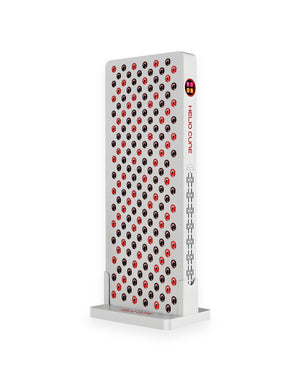
For whole-body recovery, a large LED panel is most effective for covering big muscle groups like the legs, back, or chest. For targeting specific areas, a handheld wand or flexible pad is ideal.
Wavelength & Intensity Setting
A combination of red light (630-660 nm) and near-infrared light (810-850 nm) provides comprehensive relief, targeting both surface and deeper muscle tissue. A systematic review of 17 studies recommends an optimal irradiance of 15-30 mW/cm² for muscle recovery. Sessions are most effective when applied 2-4 hours post-exercise and last 10-20 minutes per muscle group.
Before & After Results
Users report feeling less stiff and sore, recovering faster between training sessions, and maintaining better training consistency.
What Should You Know about Using Red Light Therapy for Healing Injuries?
Before using RLT for healing injuries, you must know the general mechanism, the exact factors to choose the right device, the right frequency of using one, whether you can use it at home, the timeline for improvements, and other conditions it can help with.
How Does Red Light Therapy Work for Healing Injuries?
Red light therapy works for healing injuries through a process called photobiomodulation. Specific wavelengths of red (630-670 nm) and near-infrared (810-850 nm) light penetrate the skin and are absorbed by cellular mitochondria, the energy centers of your cells.
This absorption acts as a "cellular battery charger," boosting the production of adenosine triphosphate (ATP), the fundamental fuel for all cellular repair and maintenance.
Cells perform their healing functions more efficiently with the increased energy. They reduce damaging inflammation, increase local blood circulation to deliver oxygen and nutrients, and stimulate collagen production and tissue regeneration.
How to Choose the Right Red Light Device for Injuries?
To effectively heal injuries with red light therapy, focus on the correct device type, FDA clearance, and technical specifications.
- Device Type by Injury: Choose a device that physically fits the area you're treating. For targeted treatment of specific joints or tendons, opt for a flexible LED wrap or pad. For larger muscle groups or general recovery, a large, full-body LED panel is more efficient.
- FDA Clearance for Safety: Check for the term "FDA-approved" or "FDA-cleared". This ensures the product is safe to use.
- Technical Specifications: Ensure the device emits both red light (630-680 nm) and near-infrared light (810-850 nm). NIR light penetrates deeper for muscles and joints. For effectiveness, check the irradiance (intensity) measured in mW/cm². Many studies support a therapeutic range of 15-30 mW/cm² for injuries.
How Frequently should You Use Red Light Therapy for Healing Injuries?
For healing injuries, you should use red light therapy 3 to 5 times per week, with each session lasting 10 to 20 minutes per treated area. Some protocols for pain or severe injury may recommend starting with daily use for the first 1-2 weeks before moving to a maintenance schedule. Besides that, consider the injury type and severity, device power, and your body’s reaction as follows:
- Injury Type and Severity: Daily sessions are often suggested for initial treatment of acute injuries or significant pain, followed by a reduced frequency for maintenance.
- Device Power: High-powered devices require shorter session times. Always check your device's specific guidelines.
- Body's Response: Start with shorter sessions and gradually increase time as tolerated, and discontinue use if you experience irritation.
What Precautions Should You Take Before Red Light Therapy?
Follow these key precautions before starting red light therapy (RLT) to ensure safe and effective treatment:
- Always consult with a doctor or dermatologist before starting, especially if you have a medical condition, take medications (particularly photosensitizing drugs like certain antibiotics), or are pregnant.
- Test the device on a small area of skin (e.g., inner arm) for 24 hours to check for adverse reactions like rash or irritation before treating a larger area.
- Always wear the FDA-cleared protective eyewear included with your device. Never look directly into the light source, even with your eyes closed.
- Do not use RLT over active skin cancers or suspicious lesions or on the neck/upper chest if you have hyperthyroidism.
- Avoid use over recent burns, open wounds, or active infections until fully healed.
- Only use an FDA-cleared device designed for your specific treatment goal (e.g., pain, skin, hair).
- Strictly follow the manufacturer's instructions for distance and session length.
- Begin with the shortest recommended session time and gradually increase based on tolerance to avoid overexposure or irritation.
Can You Take Red Light Therapy at Home?
Yes, you can effectively use red light therapy at home with the right equipment and knowledge. Home devices are generally considered safe and offer a convenient, cost-effective alternative to clinical sessions. To get started, you will need the following:
- An FDA-cleared red light therapy device
- Protective eyewear during facial treatments eyes
- A comfortable space with proper seating and ample ventilation to use the device.
How Long does It take to See Improvements?
You can expect noticeable improvements from red light therapy for injuries within a few weeks with consistent treatment, but the exact timeline depends on the severity and type of your injury.
- Immediate Effects: Some acute pain and inflammation relief can occur within the first few sessions or even after a single 20-minute session.
- Initial Recovery (1-4 weeks): For healing strains, sprains, and post-workout soreness, you may notice reduced pain, swelling, and faster muscle recovery within this period. A typical program starts with sessions 3-5 times per week.
- Significant Healing (Several weeks to months): More significant tissue repair and restoration of function, especially for chronic conditions or severe injuries, generally require consistent use for several weeks to several months.
Note: The speed of your recovery is influenced by the injury's severity, your treatment consistency, your age and overall health, and the power (irradiance) of the device you use.
What Other Conditions Red Light Therapy can Treat?
Beyond healing injuries, red light therapy also helps with reducing wrinkles, improving texture, treating inflammatory acne, hair regrowth in cases of androgenic alopecia, osteoarthritis, fibromyalgia, general musculoskeletal pain, improving cognitive function in dementia, aiding recovery from traumatic brain injury (by increasing brain connectivity), and managing symptoms of Parkinson's.
References
- https://pmc.ncbi.nlm.nih.gov/articles/PMC9980499/
- https://pmc.ncbi.nlm.nih.gov/articles/PMC4846838/
- https://www.nature.com/articles/s42003-024-06973-1
- https://www.ncbi.nlm.nih.gov/pubmed/9865208
- http://www.tandfonline.com/doi/abs/10.3109/09546639709160280
- https://www.sciencedirect.com/science/article/abs/pii/S1744388124000793
- https://www.ncbi.nlm.nih.gov/pubmed/29659538
- https://www.ncbi.nlm.nih.gov/pubmed/20662026
- https://pmc.ncbi.nlm.nih.gov/articles/PMC11266821/
- https://www.ncbi.nlm.nih.gov/pubmed/30026900
- https://www.ncbi.nlm.nih.gov/pubmed/24761093
- https://www.ncbi.nlm.nih.gov/pubmed/19698002
- https://www.ncbi.nlm.nih.gov/pubmed/18922085
- https://pmc.ncbi.nlm.nih.gov/articles/PMC11899806/
- https://pubmed.ncbi.nlm.nih.gov/33037560/
- http://journals.sagepub.com/doi/abs/10.1177/026921559500900207
- https://pubmed.ncbi.nlm.nih.gov/40371595/
- https://pubmed.ncbi.nlm.nih.gov/37288499/
- https://pmc.ncbi.nlm.nih.gov/articles/PMC12079619/
- https://www.ncbi.nlm.nih.gov/pubmed/18341417
- https://www.nature.com/articles/s41598-022-26553-9
- https://www.ncbi.nlm.nih.gov/pubmed/28677985
- https://pmc.ncbi.nlm.nih.gov/articles/PMC9761261/
- https://www.ncbi.nlm.nih.gov/pubmed/6200808
- https://www.ncbi.nlm.nih.gov/pubmed/21625765
- https://www.ncbi.nlm.nih.gov/pubmed/18439641